Choosing Between Old And New Homes In Shaw
July 23, 2026
July 23, 2026
If you are house hunting in Shaw, the choice is rarely as simple as old versus new. More often, you are weighing historic character, renovation needs, modern layouts, and monthly carrying costs within the same walkable street grid. If you want to understand what really separates older homes from newer ones in Shaw, this guide will help you compare the tradeoffs with more confidence. Let’s dive in.
Shaw’s housing stock reflects many building periods rather than one uniform style. The Shaw Historic District was designated in 1999, and its period of significance runs from 1833 to 1932. District materials note that Shaw was not built as a single run of identical rowhouses, but instead evolved over time with early dwellings and later infill.
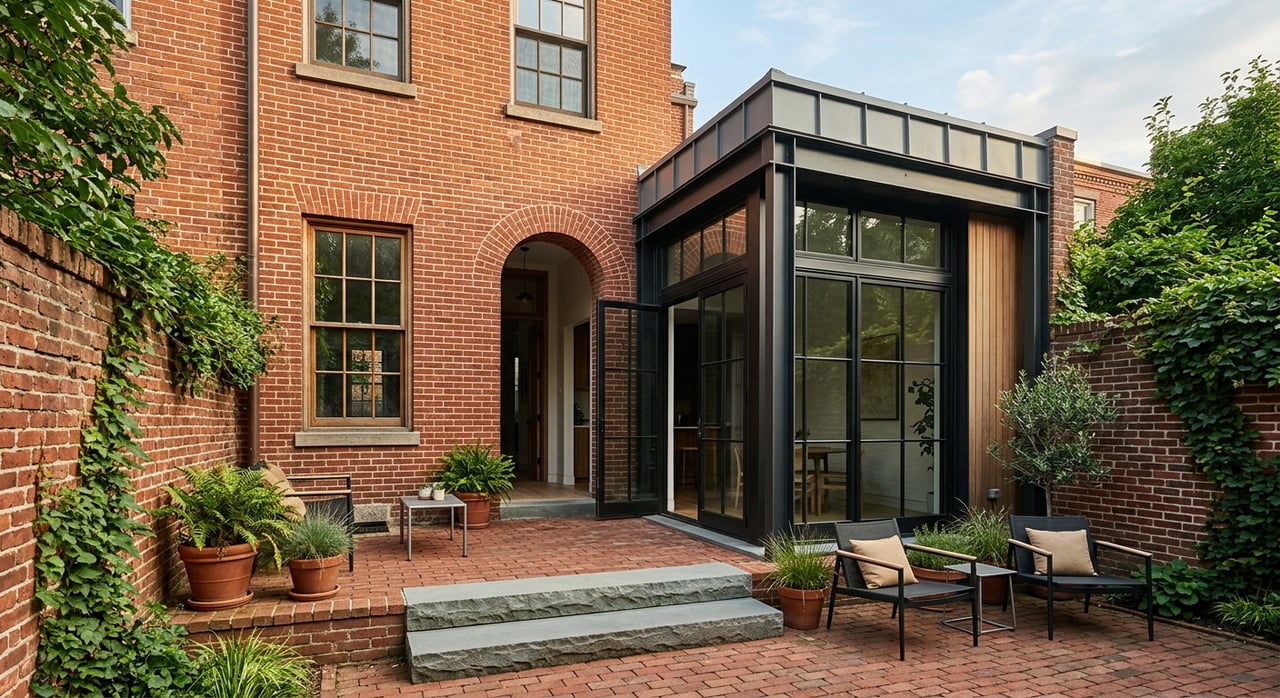
That matters when you start your search. In practical terms, you are often comparing three versions of the same urban housing pattern: intact historic rowhouses, renovated historic rowhouses, and newer infill or condominium residences with a more contemporary feel. In Shaw, the real decision is less about age alone and more about how you want to live.
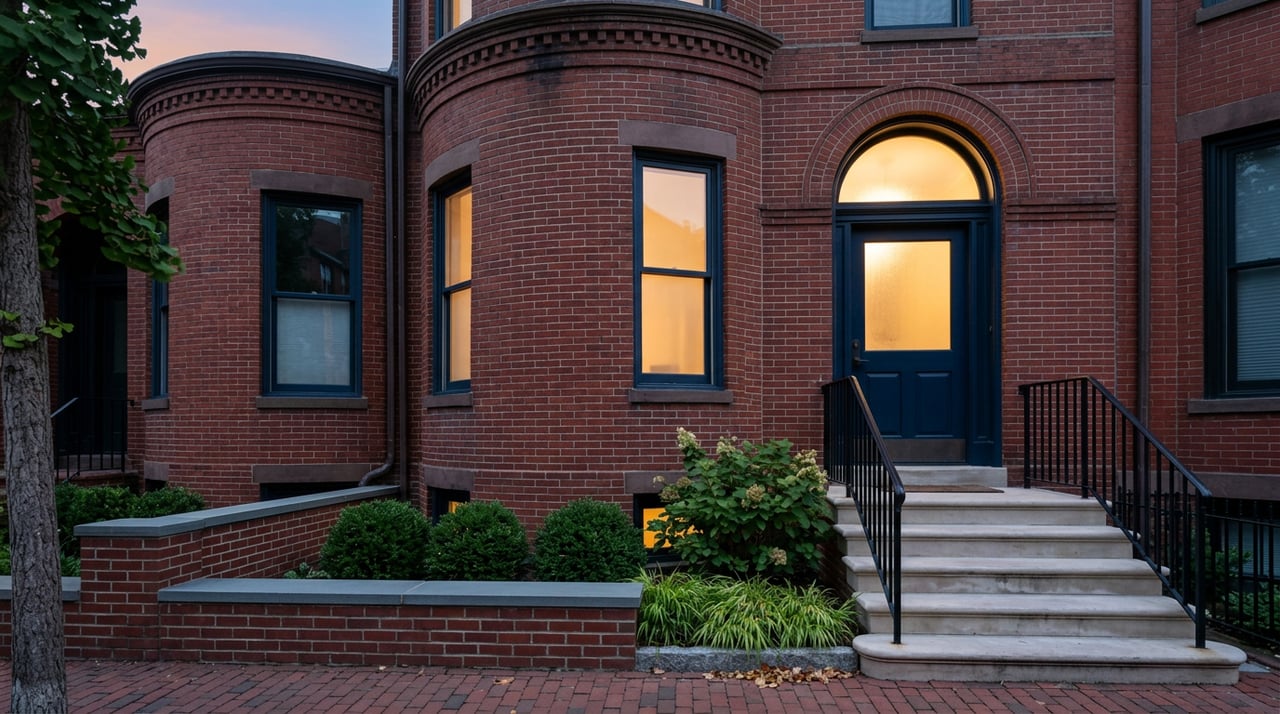
Older Shaw homes tend to lead with character. You may find original staircases, tall ceilings, fireplaces, classic rowhouse proportions, and details that are hard to reproduce in new construction. For many buyers, that sense of history is the main draw.
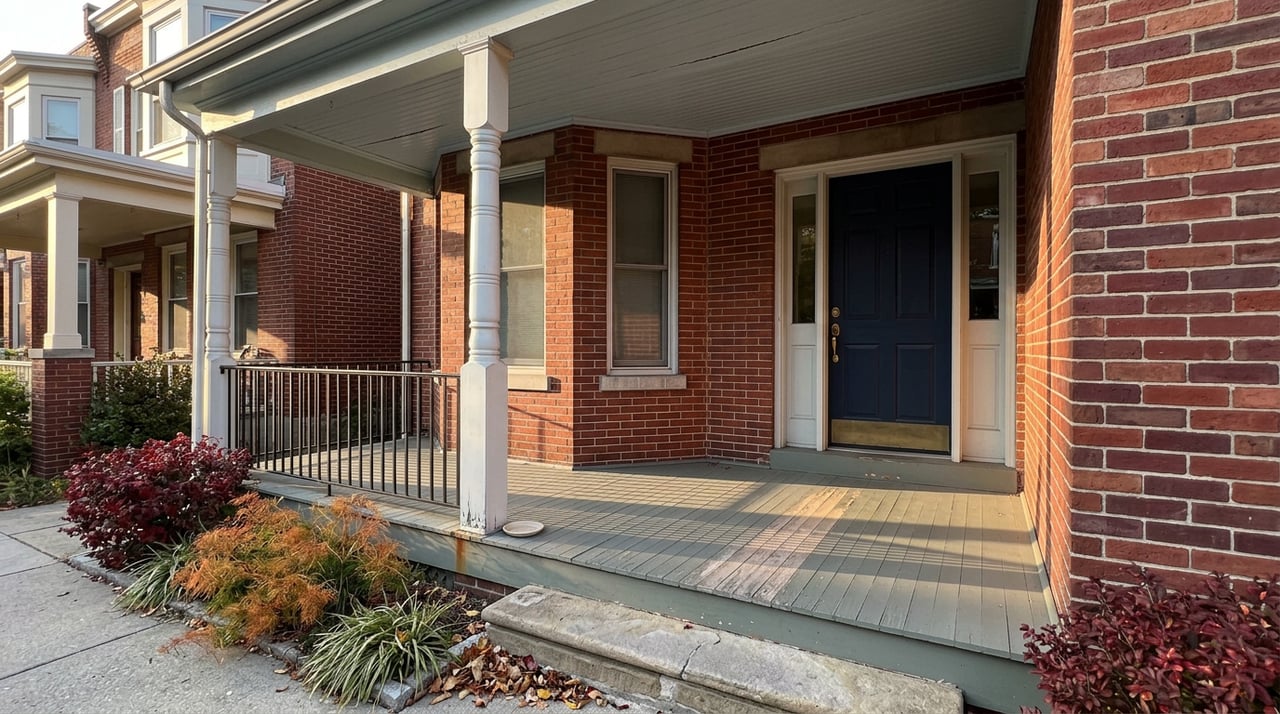
You will also see a wide range of conditions. One current Shaw example at 1524 6th St NW is a 1900 townhouse marketed as a Victorian property requiring full renovation and sold strictly as-is, with 6 bedrooms, 3 full baths, 2,228 square feet, secure parking, no HVAC, and a detached junior unit. That example shows how much variation can exist within the older-home category.
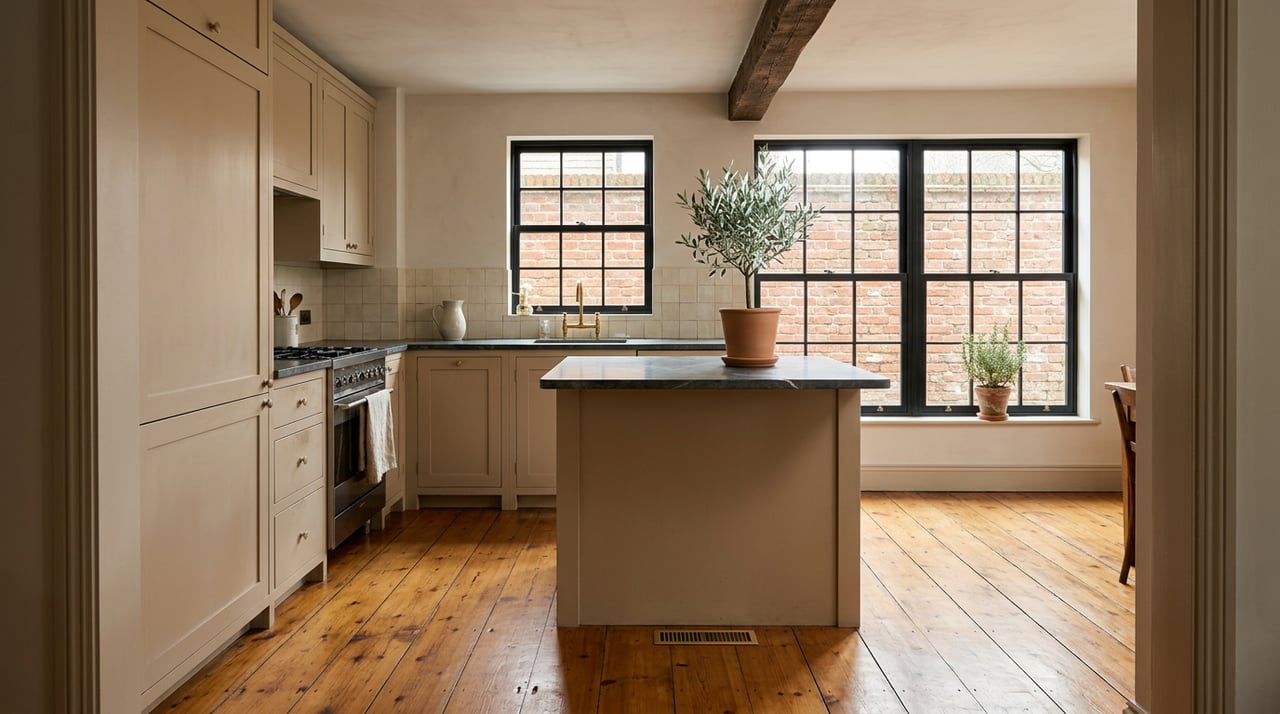
At the other end of the spectrum, some renovated historic rowhouses keep their original bones while updating systems, windows, kitchens, and circulation. Featured Shaw renovations have included preserved stairwells and fireplaces paired with modern fixtures, appliances, and more open connections between rooms. So when you look at an older home in Shaw, the real question is not just its age, but how much work has already been done.
Historic rowhouses in Shaw often begin with a more compartmentalized layout. Rooms may be narrower, stacked over multiple levels, and more dependent on stair circulation than many newer homes. That can feel charming and distinctive, but it may not suit every buyer’s daily routine.
After renovation, these homes can live very differently. Some owners open sightlines with larger cased openings or rework the rear of the home to connect the kitchen to a garden or patio. The result can be a house that keeps its period feel while functioning in a more modern way.
In older Shaw homes, outdoor space is often more private than expansive. Rear gardens, patios, and occasional off-street parking are common features that carry real value in an urban setting. Even when the lot is compact, that tucked-away outdoor space can be one of the most useful parts of the property.
For some buyers, this is a major advantage over newer condo-style homes. You may trade a rooftop deck or shared building structure for a more private garden connection and potentially direct parking access. It depends on whether you value privacy, convenience, or turnkey simplicity more.
Newer homes in Shaw usually appeal to buyers who want ease and efficiency. The conversation shifts away from deferred maintenance and toward finishes, floor plan, and monthly ownership costs. If your priority is move-in-ready living, newer options may feel more straightforward.
A current new-construction example at 1241 4th St NW is a 2026 residence with 4 bedrooms, 5 bathrooms, 2,400 square feet, three levels, an open-concept main level, 9-foot ceilings, marble surfaces, a Thermador and Bosch appliance package, a fully finished lower level, and a private EV-ready parking space. That listing also includes a $295 monthly association fee.
Another newer Shaw example, 1512 6th St NW PH2, completed in 2022, was marketed as a 3-bedroom, 3.5-bath penthouse with oak hardwood floors, stainless appliances, quartz countertops, a spacious outdoor terrace, a private rooftop deck, secure off-street parking, and a $417 monthly condo fee. These examples show why newer homes in Shaw often attract buyers looking for contemporary finishes, more bathrooms, and a cleaner maintenance profile at move-in.
One important point in Shaw is that newer housing product may be condominium ownership rather than a detached or fee-simple house. That changes the comparison. You are not only evaluating the home itself, but also the structure of ownership and the recurring monthly fees.
Association fees can be worth it for some buyers, especially if they prefer a more managed property experience. But they should be treated as a real carrying cost, not a small footnote. In many cases, the old-versus-new decision in Shaw is also a house-versus-condo decision.
Choosing between an older and newer home in Shaw usually comes down to a few practical questions:
There is no universal right answer. The better fit depends on your tolerance for projects, your cash flow priorities, and the way you want your home to function day to day.
If you are considering an older home in Shaw’s historic district, exterior changes require extra attention. The District states that historic preservation review is required when a building permit is needed for work affecting the exterior appearance of a historic property. The Homeowner’s Center also notes that window and door replacement in a historic jurisdiction needs approval before a permit application.
That does not mean historic ownership is a burden for every buyer. It does mean you should expect more coordination if your plans involve exterior updates, additions, or replacements. If you love the idea of shaping a historic property over time, this may feel worthwhile. If you want fewer approval steps, newer construction may feel simpler.
District law requires contributing historic buildings to be maintained against decay, deterioration, and weathering. That makes upkeep more than a cosmetic issue. Buyers considering older Shaw homes should think beyond purchase price and ask what level of ongoing stewardship fits their lifestyle.
This is especially important if you travel often, maintain a demanding work schedule, or want a more lock-and-leave ownership experience. A beautifully restored rowhouse can be deeply rewarding, but it can also require more active oversight than a newer residence.
If you are buying an older home, lead is an important part of due diligence. EPA says the older the home, the more likely it contains lead-based paint, and buyers of most pre-1978 housing have the right to know whether lead-based paint hazards are present before signing. EPA also recommends using a certified inspector or risk assessor for testing.
HUD notes that deteriorated lead paint can mix with dust and soil, and CDC says renovations in pre-1978 homes can create dangerous lead dust. For buyers looking at older Shaw housing, especially homes that need updates, this is not a detail to gloss over. It is a practical health and planning issue that should be addressed early.
Shaw appears to attract more than one type of buyer at resale. Some buyers are willing to pay for authentic architectural character and restored historic details. Others are willing to pay for turnkey convenience, newer finishes, and an easier ownership model.
Market data supports that broader picture. In Shaw Historic District, the median sale price was $915,000 over the three months ending March 2026, homes averaged 141 days on market, and 13.3% sold above list. The same market snapshot showed 1416 10th St NW selling 7% over list after 30 days, which is a useful reminder that restored historic homes can still draw strong demand when layout and finish quality are compelling.
For your own resale planning, that means age alone is not destiny. Condition, presentation, useful outdoor space, parking, and the overall ease of living still matter. In Shaw, both character-driven homes and turnkey homes can perform well when they align with what buyers want.
If you are drawn to an older Shaw home, make sure you genuinely value what comes with it. That may include original details, a more layered floor plan, historic review for exterior work, and a greater chance of maintenance or renovation projects. For the right buyer, those are not drawbacks. They are part of the appeal.
If you are leaning toward newer construction, focus on the full ownership picture. Look closely at layout, storage, parking, outdoor space, finish level, and monthly fees. A newer home can simplify your day-to-day life, but it should still fit your long-term budget and lifestyle.
The smartest decision usually comes from being honest about your tolerance for work, your design preferences, and how much flexibility you want after closing. In Shaw, both old and new can be excellent choices when they match the way you actually live.
If you are weighing historic charm against turnkey convenience in Shaw, Fleur Howgill offers discreet, tailored guidance to help you compare options and move with confidence.
Stay up to date on the latest real estate trends.
Fleur and Veronique's passion for travel has significantly enriched their understanding of diverse cultures and unique requirements. Their personal experience as expatriates further enhances their ability to cater to the needs of an international clientele seeking insight into life in Washington DC. Fleur's remarkable history of achievements serves as a testament to her expertise. Don't hesitate to contact Fleur's team to discover more about how they can assist you!