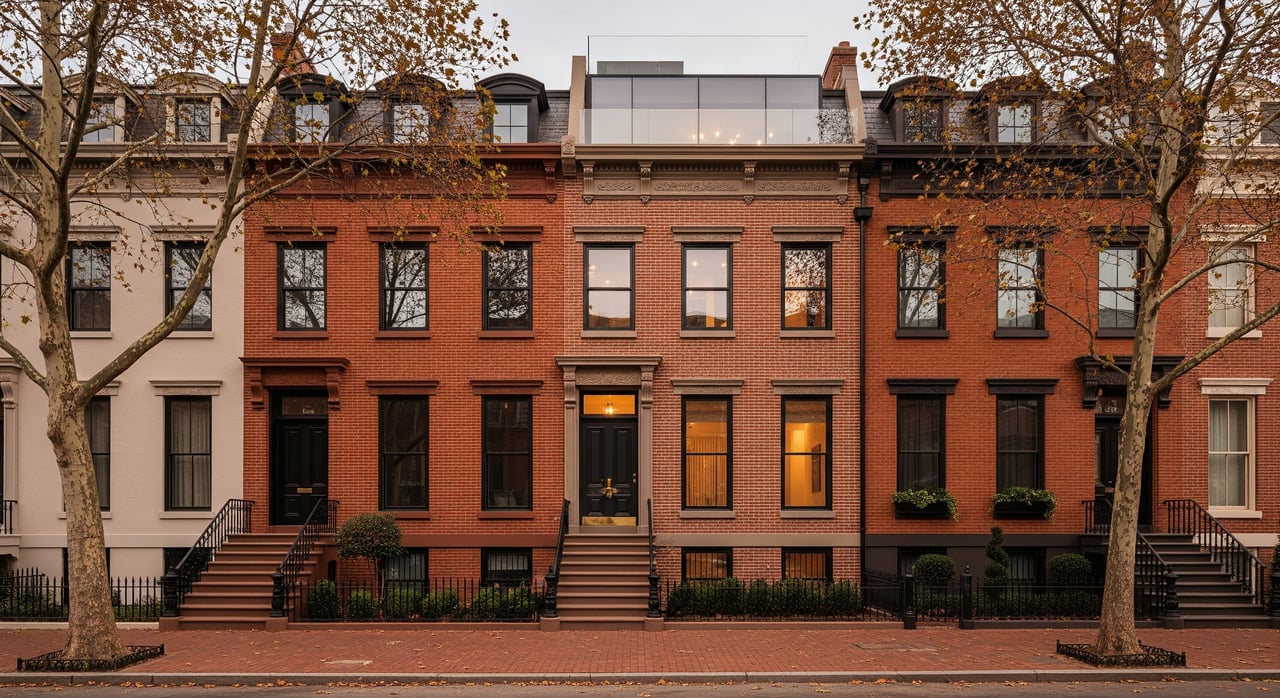
Historic Rowhouse Renovations That Add Value In Adams Morgan
December 18, 2025
December 18, 2025
Thinking about updating your historic Adams Morgan rowhouse before you sell? You are not alone. Buyers love the neighborhood’s character, but they also expect smart, move‑in‑ready upgrades that fit urban living. In this guide, you will learn which renovations add the most value here, how to navigate permits and historic review, and the sequence that helps you net the best result without losing what makes your home special. Let’s dive in.
Adams Morgan buyers prize original character alongside modern function. They respond to updated kitchens and primary baths, solid mechanical systems, and spaces that feel bright and usable.
Walkability is a major draw, so small footprints often work if the layout lives well. The feel is more important than raw square footage. Thoughtful lighting, storage, and flexible spaces go a long way.
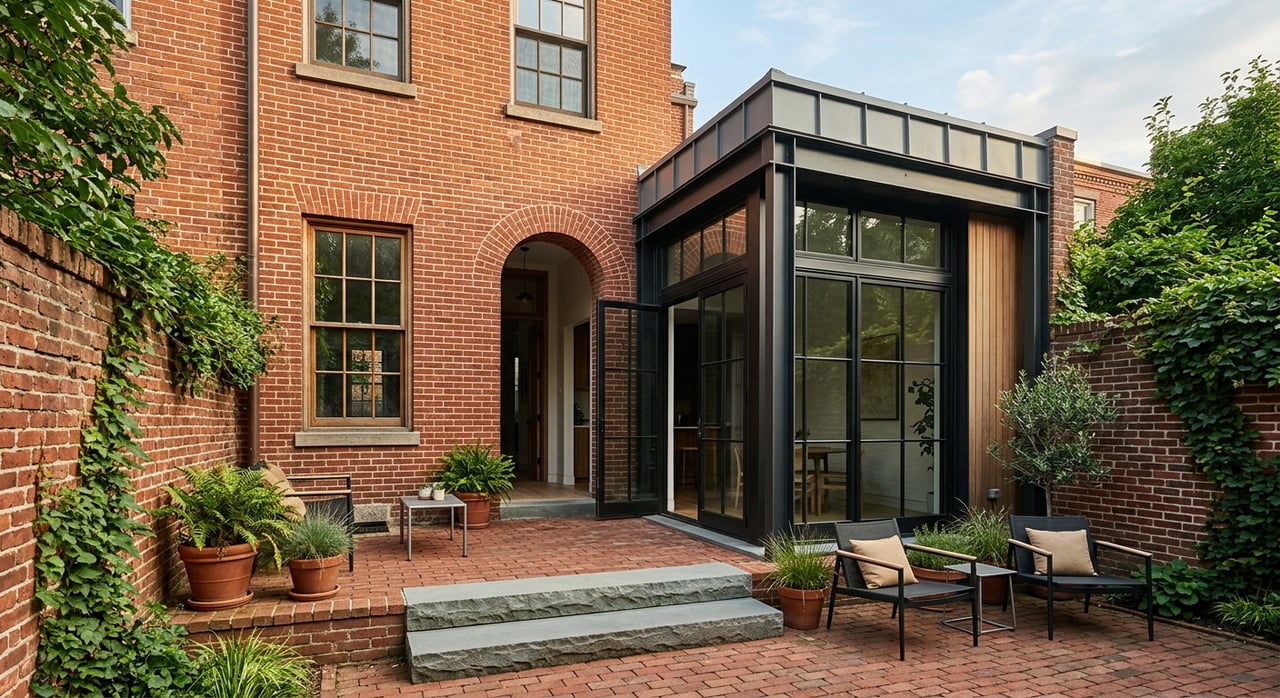
Buyers also notice good outdoor zones. A tidy front stoop, a private rear patio, or a compliant roof deck can elevate day‑to‑day living. These details pair nicely with preserved trim, staircases, and brickwork that signal authenticity.
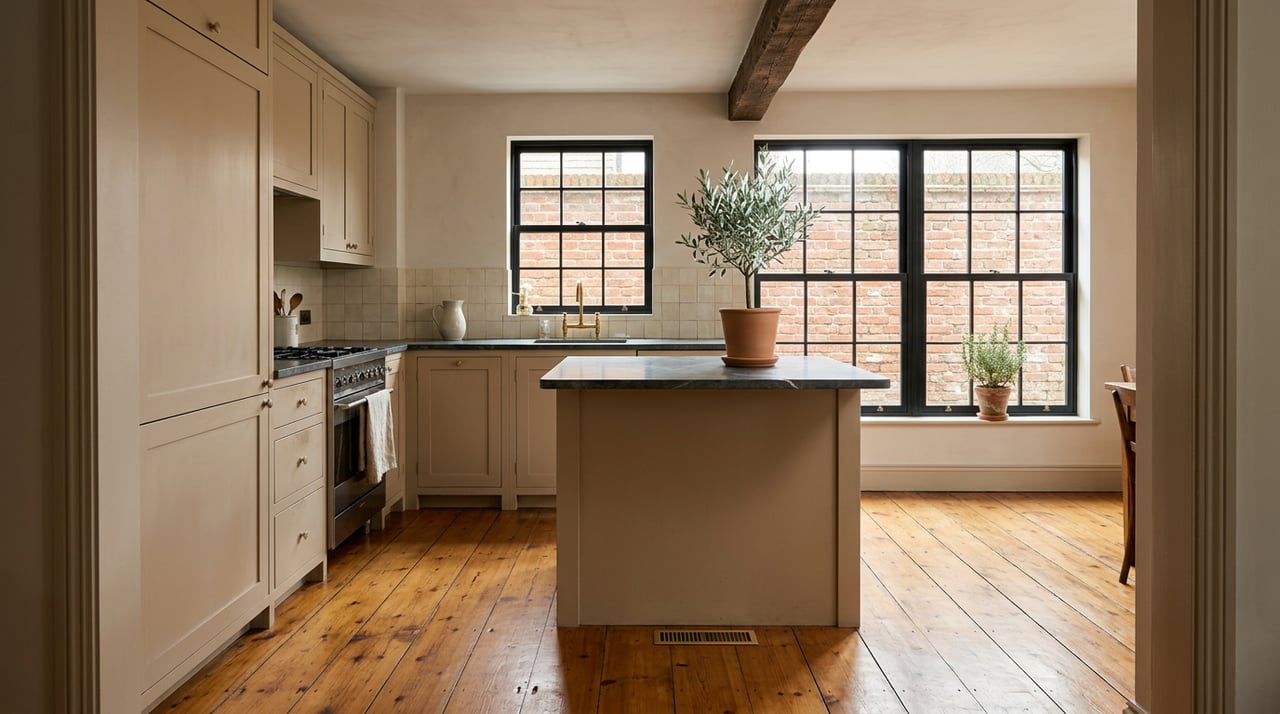
A functional, light‑filled kitchen is one of the strongest selling points. Focus on a sensible layout with clear sightlines, durable countertops like quartz or honed stone, period‑sensitive cabinetry, and efficient appliances. Under‑cabinet lighting and a quality backsplash help the space read crisp and intentional.
In many Adams Morgan rowhouses, the kitchen sits at the rear. If you open walls, protect defining elements like stair halls or original moldings. Aim for a balance that feels airy without erasing character.
Avoid ultra‑custom, high‑cost finishes that outpace neighborhood comparables. In this area, midrange, thoughtfully selected materials typically appeal to more buyers and keep your budget in check.
Upgrading baths, especially creating or improving a primary suite, is a smart move. Replace dated tile and fixtures, improve ventilation and lighting, and add storage that keeps surfaces clean. Efficiency is also a selling point, so choose water‑saving, reliable plumbing fixtures.
Keep the scale comfortable. If you are adding a bath, make sure the layout feels intentional with adequate light and ventilation. Preserve plaster profiles or trim where you can, and avoid slicing up adjacent rooms in ways that make the floor plan feel cramped.
Nothing calms buyer nerves like well‑documented systems. Updated HVAC, modern electrical with appropriate service and detection, sound plumbing, and a healthy roof reduce inspection surprises and can support stronger offers.
If your home has older wiring or aging water lines, prioritize those before cosmetics. Address moisture or basement water issues, then add insulation in accessible areas. These fixes are not flashy, but they drive confidence and often pay off at contract time.
Avoid quick cosmetic covers that hide underlying problems. Inspectors and buyers will notice, and it can harm credibility.
Finishing a basement or converting an attic can boost usable living area when ceiling heights, egress, and zoning allow. A flexible lower‑level family room plus a full bath, a compliant attic bedroom, or a modest rear addition for a larger kitchen can all resonate with buyers.
Because Adams Morgan lots are narrow and regulated, scale additions to the surrounding fabric and local comps. Keep the design clean, functional, and consistent with neighborhood character to avoid unnecessary review hurdles and cost.
Avoid large, luxury expansions that push well beyond what nearby homes command. Overbuilding can add time and complexity without a matching return.
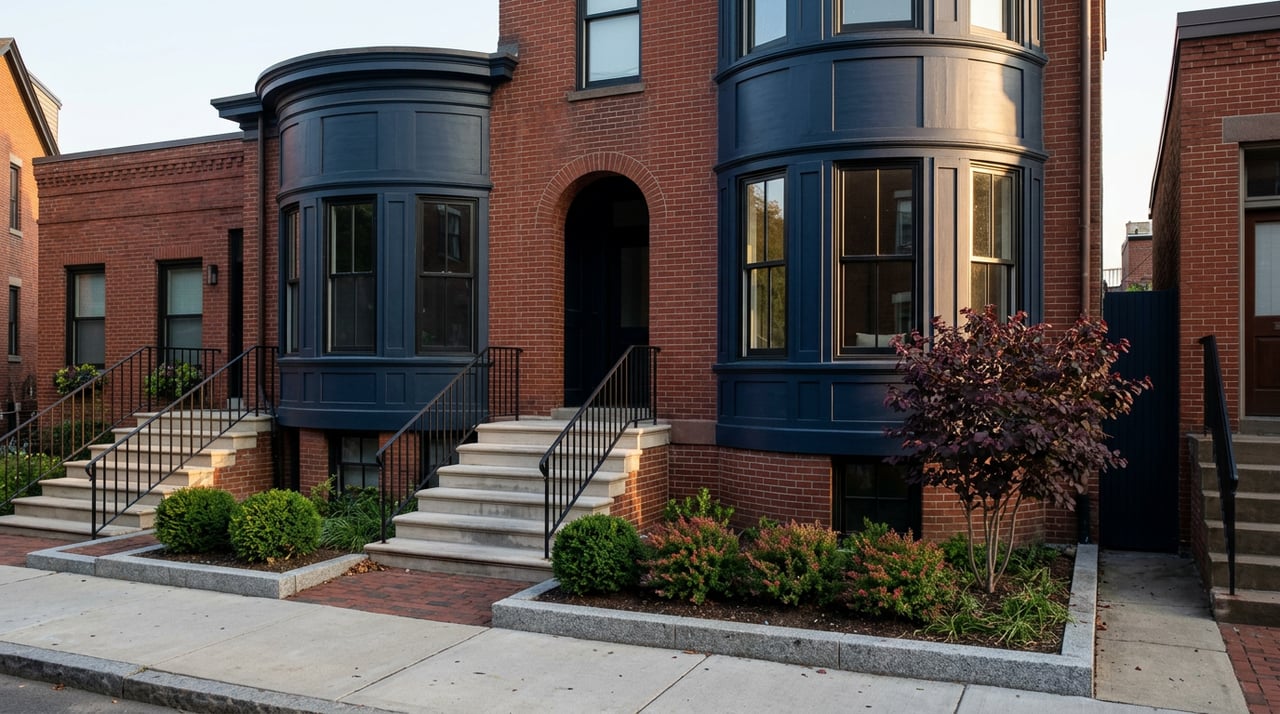
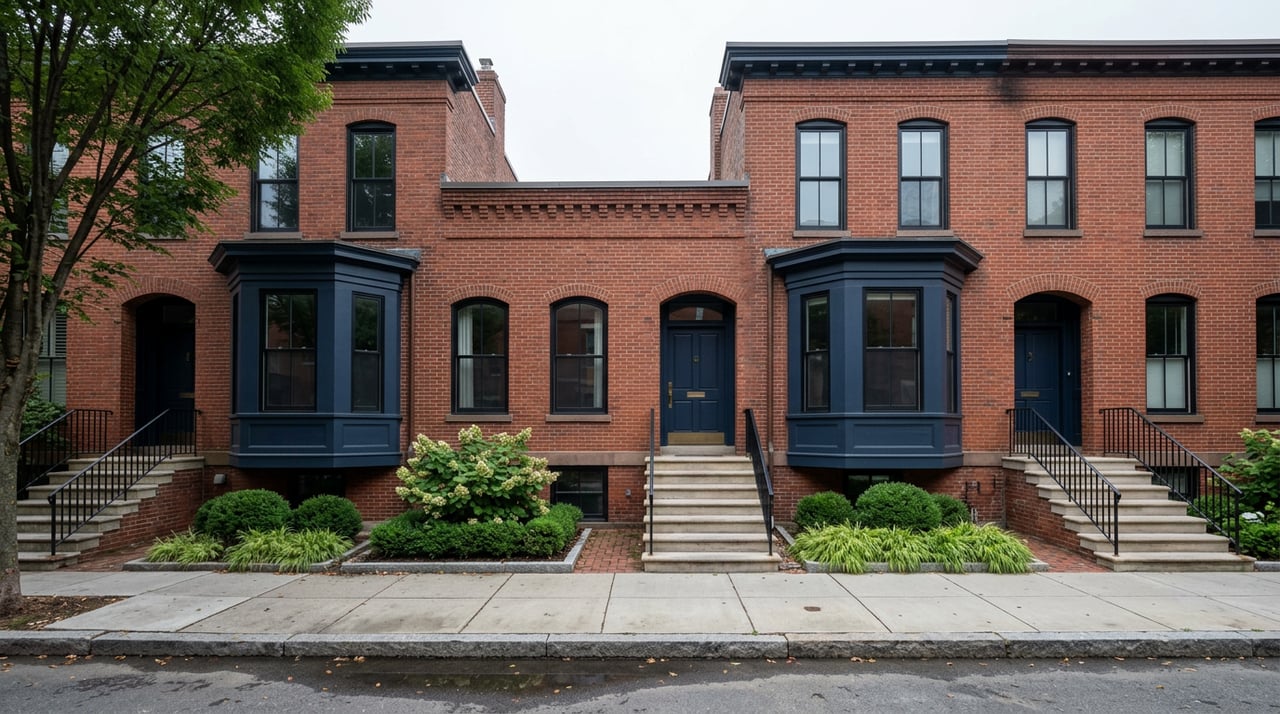
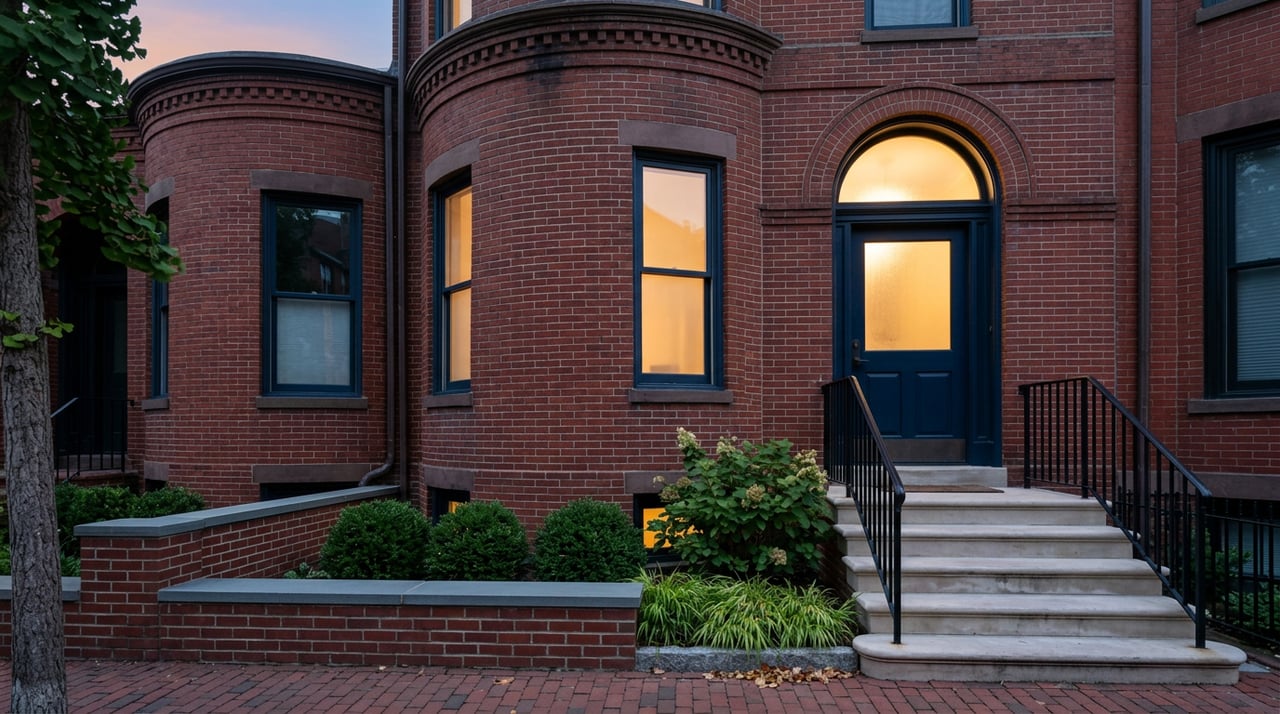
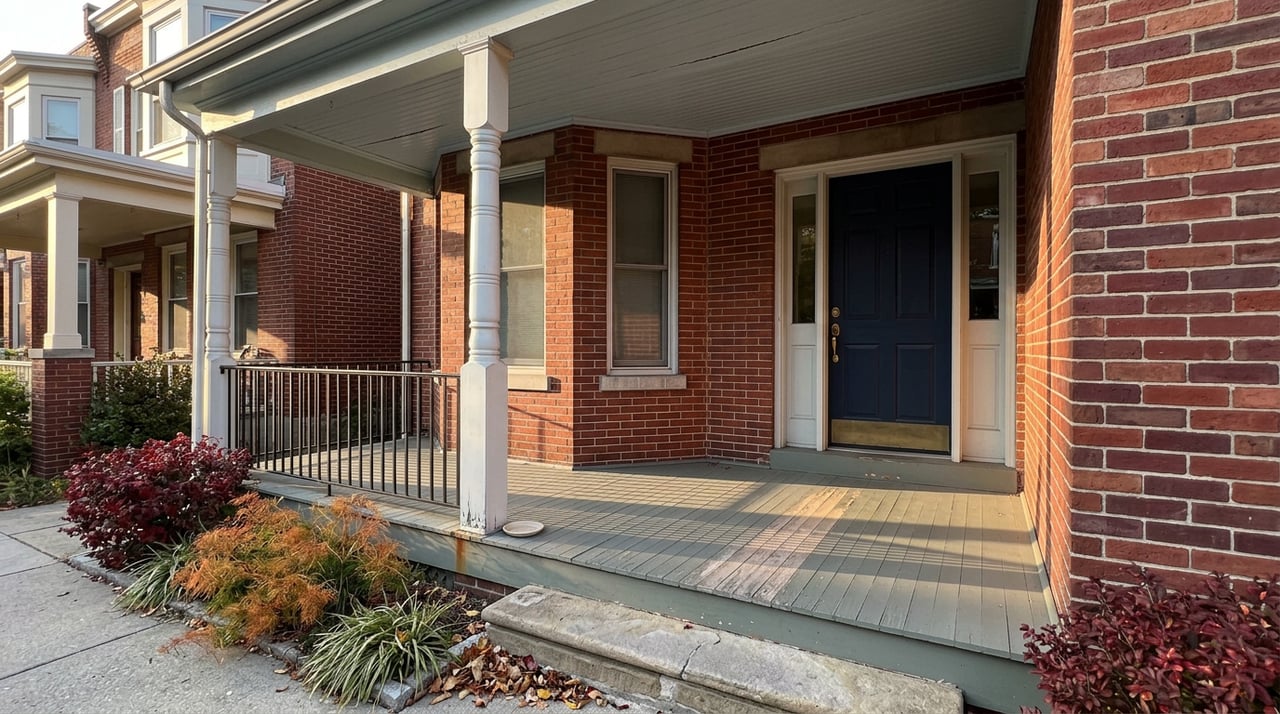
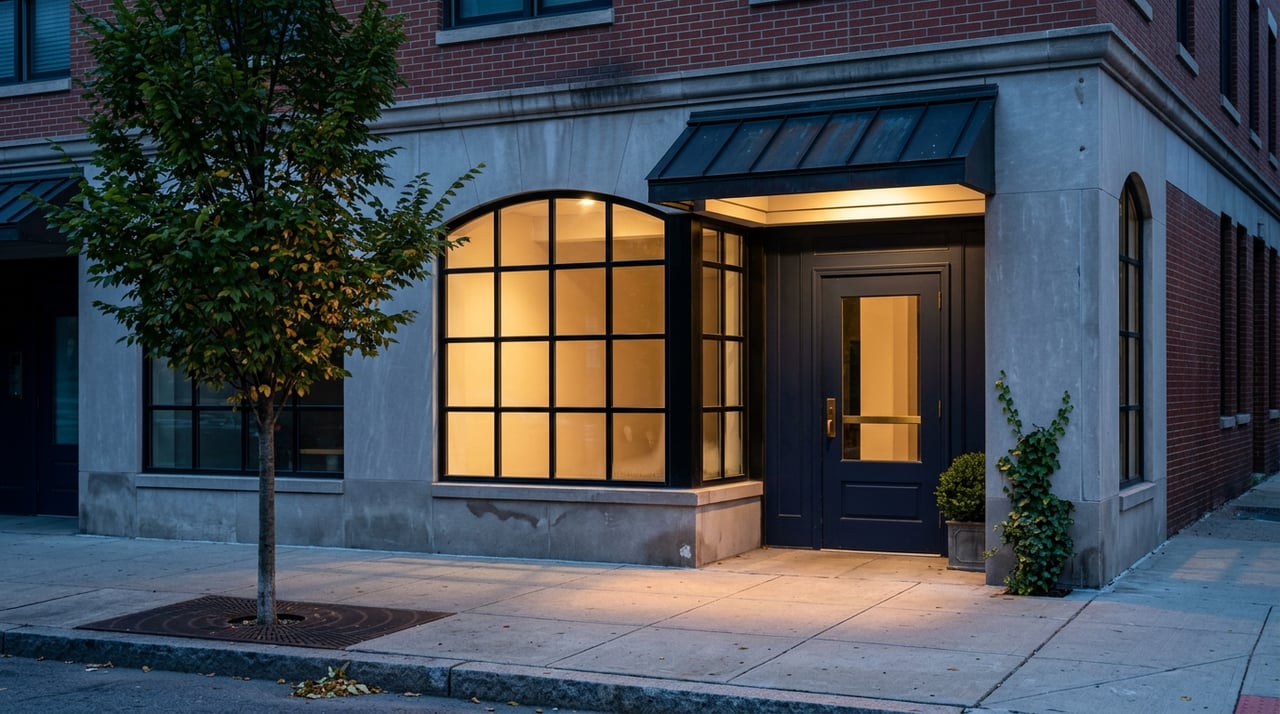
First impressions matter. Repoint brick where needed, restore or repaint metalwork, refresh the front door and lighting, and keep landscaping tidy. In back, make a welcoming patio or deck that extends daily living.
Front facades on historic blocks may require design review for visible changes. Preserve stoops, cornices, and distinctive windows whenever possible. Buyers respond to preserved details that feel authentic and well cared for.
In parts of Adams Morgan that fall within local historic districts or include inventoried buildings, visible exterior changes often need review. That can include front‑facing windows, facade alterations, roof‑top additions, and some rear additions depending on visibility. The DC Historic Preservation Office (HPO) and Historic Preservation Review Board (HPRB) oversee this process, using the widely referenced Secretary of the Interior’s Standards for Rehabilitation as guidance.
Interior work generally avoids historic review unless there is an interior landmark designation. Always confirm status early so you set expectations for timing and scope.
Most structural, mechanical, plumbing, and electrical projects require building permits before work begins. The District’s Department of Buildings provides permit types, submittal requirements, and inspection steps. You can review permitting at the DC Department of Buildings permits page.
Zoning rules control height, lot occupancy, rear yard setbacks, and use. If your plan exceeds what zoning allows, you may need relief from the Board of Zoning Adjustment. Start by understanding the basics through the DC Office of Zoning.
Visible changes often include community touchpoints. In Adams Morgan, Advisory Neighborhood Commission 1C commonly reviews and comments on projects. Their feedback can shape refinements before HPRB hearings. Stay informed via the ANC 1C site.
Plan for added time when historic review or zoning relief is required. Concept reviews, community meetings, HPRB hearings, and permit processing can add weeks or months. Early coordination keeps your timeline realistic.
Compare your post‑renovation plan to recent nearby sales. If your projected value per square foot would significantly outpace comps, consider scaling back. Many buyers in dense, historic neighborhoods prefer tasteful, midrange upgrades over ultra‑custom features.
Staging and selective refreshes often deliver more impact than a highly bespoke installation. Aim for a balanced scope that fits the block and the buyer pool.
Industry research echoes this. National trends show kitchens and baths rank high on buyer wish lists, and midrange projects commonly recoup more than upscale versions. Review the NAR Remodeling Impact report and the Remodeling Cost vs. Value data for helpful perspective when planning.
Confirm permits and status. Gather past permits and approvals, and close out any open items. If you plan new work, map the scope against HPO, HPRB, and DOB steps.
Fix systems first. Address roof, HVAC, electrical service, plumbing, and moisture issues. These reduce inspection friction and support stronger offers.
Modernize kitchen and primary bath. Choose durable, neutral finishes with good lighting, storage, and ventilation. Keep design consistent with historic character.
Refresh cosmetics and lighting. Repaint in a calm palette, refinish or clean floors, and update fixtures for a bright, cohesive feel.
Elevate curb appeal. Tidy landscaping, repaint the door, repair hardware, and refresh the stoop for a polished first impression.
Document everything. Keep permits, warranties, contractor details, and inspection sign‑offs organized to share with buyers.
Expect higher costs than national averages due to urban construction complexity, skilled labor rates, and permitting. Obtain multiple detailed bids from contractors experienced with DC rowhouses and historic review.
Sequence work to avoid costly re‑do’s. Tackle structural and water issues first, then systems, then kitchens and baths, followed by finishes and staging.
Build in cushion time for permitting and potential historic review. Even straightforward approvals can take longer during busy seasons. Clear plans, complete applications, and early community engagement help keep you on schedule.
If you are preparing a historic Adams Morgan rowhouse for market, your strategy matters as much as your finishes. A local team can benchmark comps, recommend right‑sized upgrades, coordinate staging, and present approvals and documentation clearly to buyers. That combination often translates into cleaner negotiations and a stronger outcome.
If you would like a tailored plan for your home, request a confidential valuation and scope review with Fleur Howgill. We will align your renovation list, budget, and timeline to what Adams Morgan buyers value most.
Stay up to date on the latest real estate trends.
Fleur and Veronique's passion for travel has significantly enriched their understanding of diverse cultures and unique requirements. Their personal experience as expatriates further enhances their ability to cater to the needs of an international clientele seeking insight into life in Washington DC. Fleur's remarkable history of achievements serves as a testament to her expertise. Don't hesitate to contact Fleur's team to discover more about how they can assist you!