Are you torn between the charm of a Capitol Hill rowhouse and the convenience of a condo? You are not alone. Each option offers a distinct lifestyle, budget pattern, and long-term outlook. In this guide, you will compare day-to-day living, maintenance, rules, financing, and resale considerations so you can buy with confidence. Let’s dive in.
Capitol Hill housing at a glance
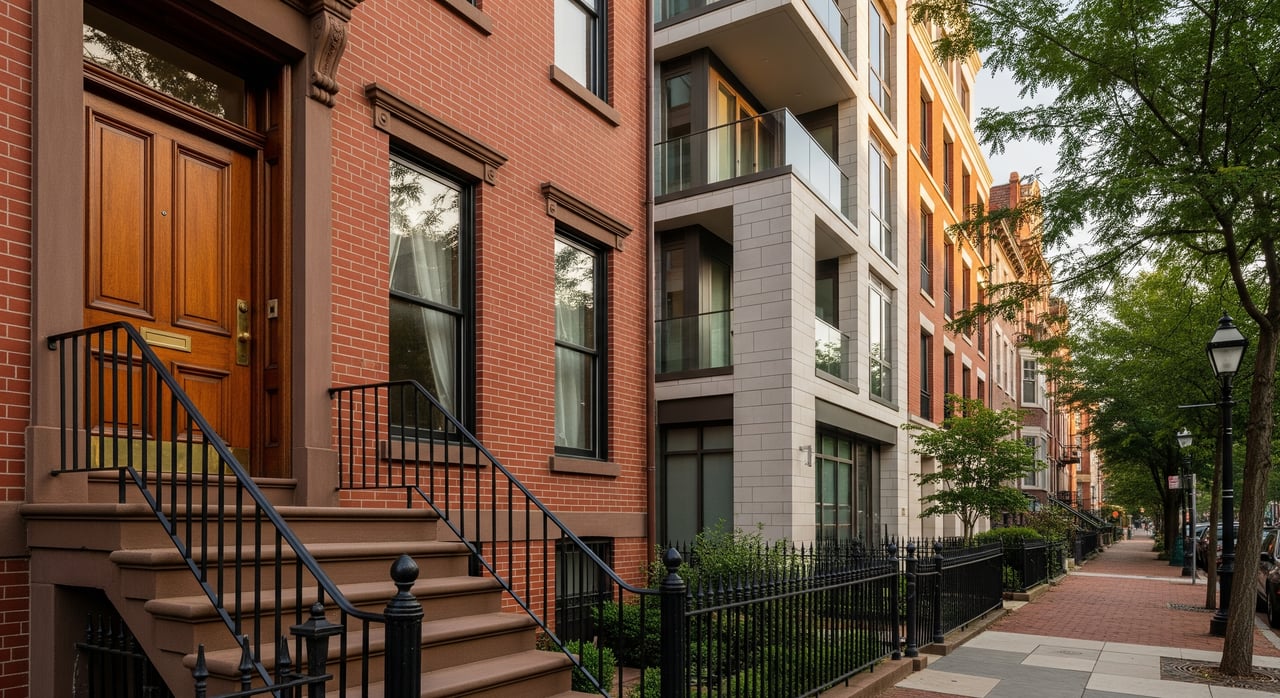
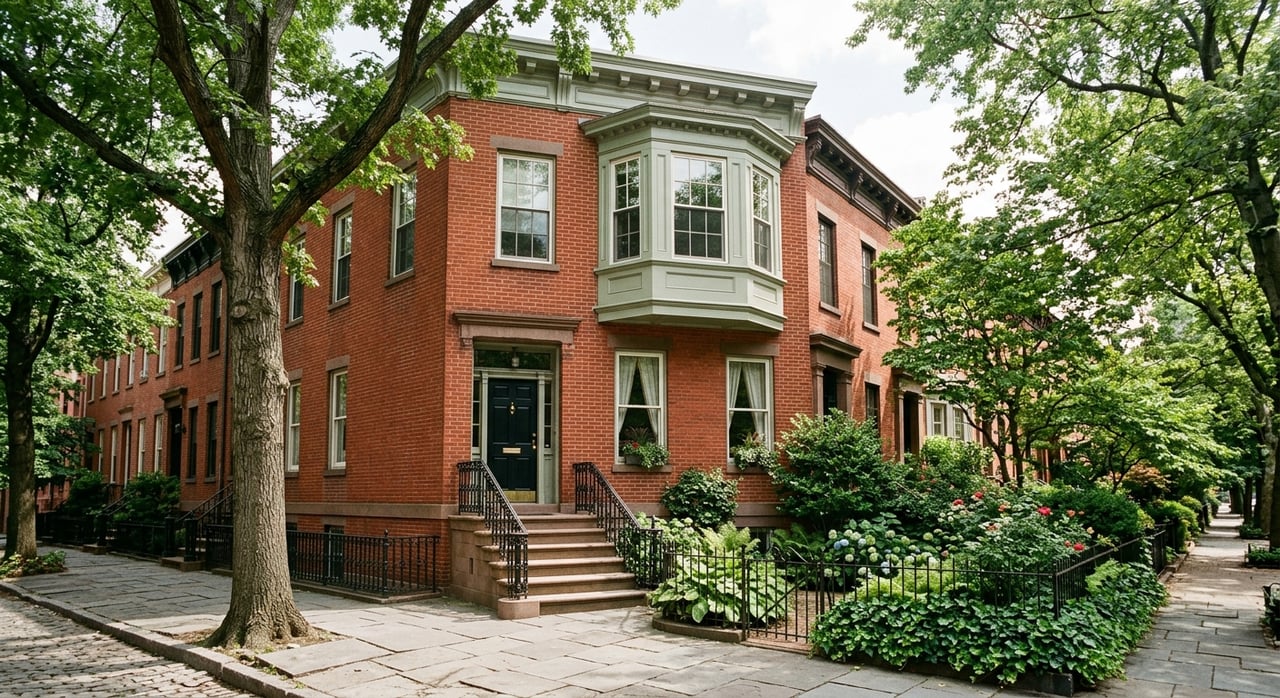
Capitol Hill blends classic brick rowhouses with a range of low- to mid-rise condos. Many homes date to the late 19th and early 20th centuries, with historic details and tree-lined blocks. You will also find boutique condo conversions and newer infill buildings near retail corridors like Eastern Market and Barracks Row.
A large portion of the neighborhood sits within historic districts. Exterior alterations often require review by the Historic Preservation Office and city permits. That process can shape both your renovation plans and your timeline.
Lifestyle trade-offs to expect
Space and layout
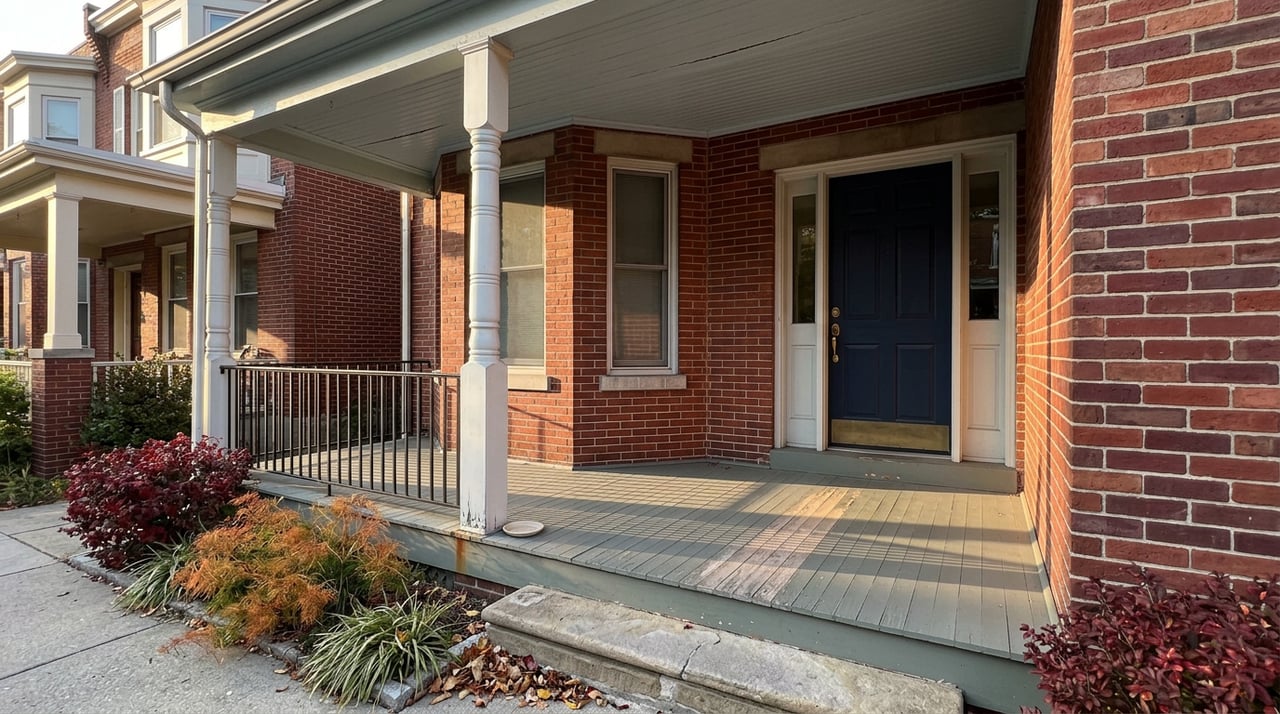
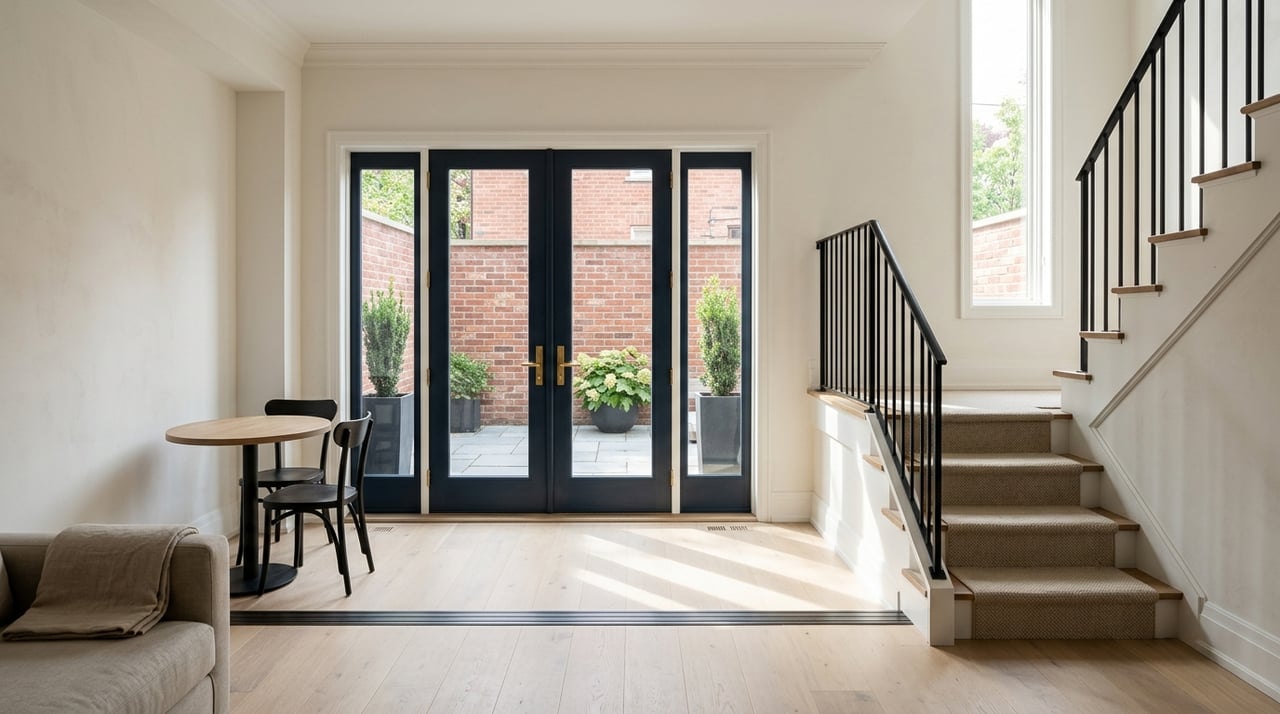
- Rowhouse: More interior square footage, multi-level layouts, and private entries. Many have front stoops, basements, and rear yards or alleys. You have flexibility to reconfigure interiors over time.
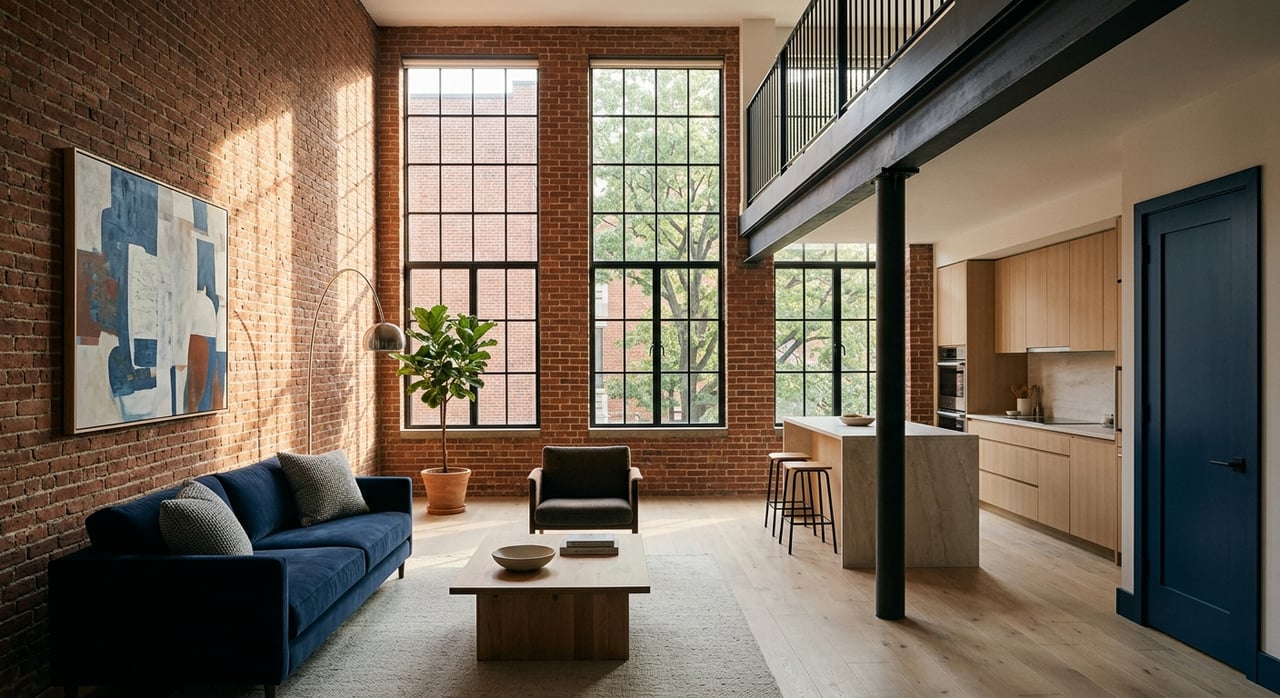
- Condo: Typically one-level living with studios to multi-bedroom units. Amenities, such as a common roof, package room, or fitness area, may replace the need for private outdoor or utility spaces.
Noise and privacy
- Rowhouse: You share party walls with neighbors, but you control your own structure. With the right upgrades, you can improve sound insulation and privacy.
- Condo: Noise depends on building construction and position within the stack. You may have neighbors above and below. House rules can help manage noise but enforcement varies by association.
Outdoor access and pets
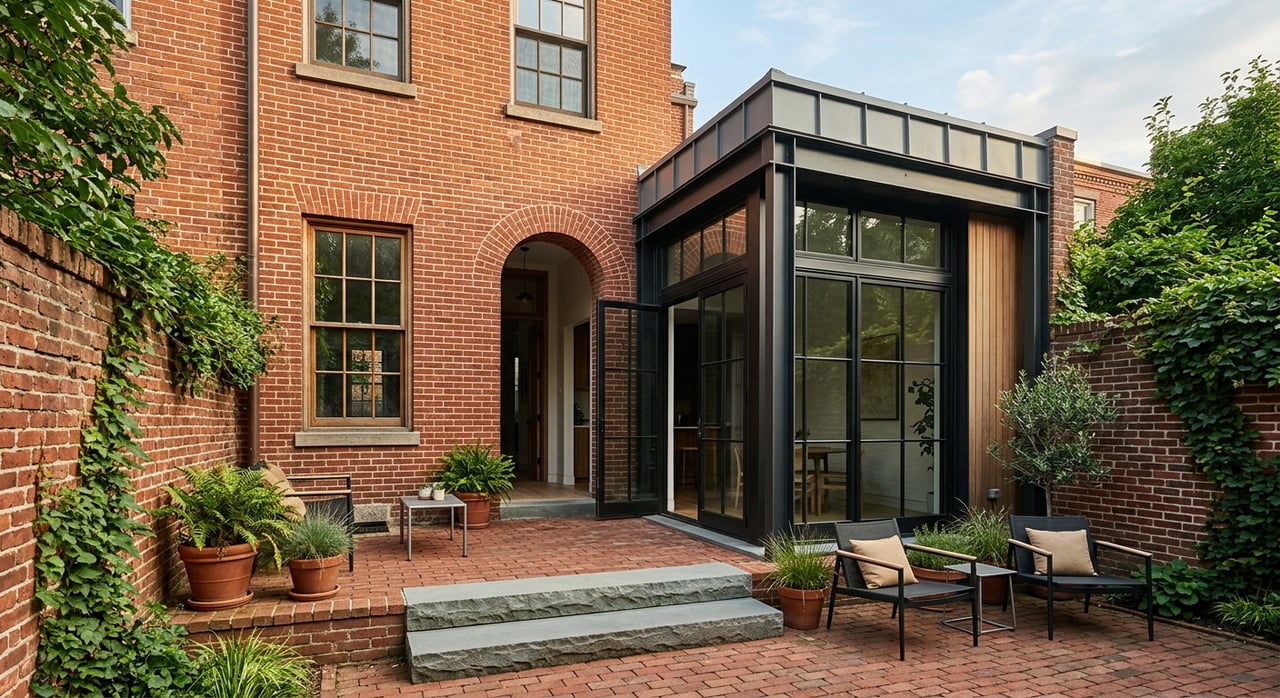
- Rowhouse: Private yards, gardens, or roof decks are more common. You set your own house rules, subject to city requirements.
- Condo: Outdoor space is usually limited to balconies or shared roofs. Pet policies and size limits depend on the condo bylaws.
Maintenance and monthly costs
Rowhouse upkeep
As a fee simple owner, you are responsible for everything inside and out. That includes the roof, façade, chimneys, windows, foundation, HVAC, plumbing, and any yard or alley-facing elements. Older masonry or historic features may require specialized materials and higher-cost trades.
Unexpected capital repairs can arise. Roof replacements, masonry repointing, foundation work, or sewer lateral issues can be significant line items. Savvy buyers set aside a maintenance reserve to smooth out surprises.
Condo costs
Condo owners handle interior upkeep while the association manages common elements like the roof, exterior walls, elevators, landscaping, and shared systems. Your monthly dues fund operations, building insurance, common utilities, management, and reserves for future capital projects.
Dues vary widely depending on services and amenities. If reserves are thin or unplanned repairs arise, special assessments may occur. Strong association management and healthy reserves can reduce risk over time.
Energy and systems
Older rowhouses may have legacy electrical panels, aging HVAC, or limited insulation. Energy-efficiency upgrades can reduce monthly bills and improve comfort. Some condo buildings use centralized systems that can be efficient, but any major repair is a shared cost through the association.
Ownership and rules
Fee simple vs condo
- Rowhouse: You own the land and the structure. You make the decisions, subject to city rules and historic preservation requirements where applicable.
- Condo: You own your unit’s interior plus a shared interest in common elements, all governed by a declaration, bylaws, and rules.
Governance and bylaws
- Rowhouse: Few external rules beyond city codes and, if in a historic district, preservation guidelines. Exterior changes typically require permits and approvals.
- Condo: Association rules cover pets, rentals, renovations, noise, and use of common areas. Your due diligence should include reading the declaration, bylaws, house rules, and recent meeting minutes.
Insurance basics
- Rowhouse: A dwelling policy typically covers the structure, personal property, and liability.
- Condo: An HO-6 policy covers your unit interior, personal property, and liability. The association maintains a master policy for the building exterior and common areas. Confirm coverage levels and deductibles.
Financing differences in DC
Rowhouse loans
Financing is generally straightforward with conventional, FHA, or VA loans, assuming the property meets standard lending and condition requirements.
Condo loans
Lenders underwrite both you and the building. Project-level approvals and requirements matter. Key factors include owner-occupancy ratios, reserve strength, and delinquency levels. Buyers using FHA or VA should verify whether the specific condo is approved, since lack of approval can limit loan choices.
Historic district and permits
Exterior changes and timelines
A significant portion of Capitol Hill lies in historic districts. Changes to windows, brick, cornices, roofs, dormers, and front stoops often require Historic Preservation Office review and permits with the city. Plan for additional time, expert guidance, and materials that match the historic fabric.
Alleys, utilities, and service lines
Many rowhouses back onto alleys. Confirm easements and access rules before closing. Water and sewer laterals are often owner responsibilities inside the property line. If you plan renovations, check guidance on service line materials and replacement programs.
Resale and demand patterns
Rowhouse resale dynamics
Well-preserved rowhouses on attractive blocks tend to draw a wide buyer pool and can be resilient in changing markets. Outdoor space, flexible interiors, and the ability to expand living areas are strong drivers of demand. Documented system upgrades and thoughtful modernizations can help your home stand out.
Condo resale dynamics
Condos attract many first-time and price-sensitive buyers. Resale outcomes depend on building condition, amenity mix, association health, and monthly dues. Visible maintenance issues, litigation, or high investor ratios can shrink the pool of mortgage-ready buyers.
Reading comps and costs
Use very local closed sales and compare like with like. For condos, compare within the same or similar buildings when possible. For rowhouses, adjust for condition, bedroom and bathroom counts, private outdoor space, and parking. When comparing across product types, consider the full monthly cost of ownership, including HOA dues versus a private maintenance reserve.
A quick decision framework
Use this checklist to clarify which path fits your life:
- Lifestyle: Do you want private outdoor space and full control, or low-maintenance living with shared amenities?
- Mobility and size: Do you prefer multi-level space with storage and potential to expand, or single-level living and elevator access?
- Budget comfort: Are you prepared to handle capital repairs over time, or do you prefer more predictable monthly dues?
- Renovation freedom: Will historic district rules and permits align with your plans?
- Resale horizon: If you expect to move in 3 to 5 years, which product matches buyer demand in your immediate micro-market?
Due diligence checklists
For rowhouse buyers
- Title and survey: Confirm lot lines, alley access, and any party wall agreements.
- Inspections: Full home inspection with structural, roofing, masonry, and foundation focus; chimney, sewer camera, pest/termite, and lead paint testing for pre-1978 homes; moisture and HVAC/electrical reviews as needed.
- Historic and permits: Review past permits and any preservation enforcement notices; understand what exterior changes are allowed.
- Systems and records: Ask for dates and documentation on roof, HVAC, electrical upgrades, and utility work.
- Insurance: Get replacement-cost quotes tailored to older masonry homes.
For condo buyers
- Governing documents: Read the declaration, bylaws, rules, and any leasing or pet restrictions.
- Financials: Review the current budget, last two years of financial statements, reserve study, and reserve balance.
- Minutes and projects: Check 12 to 24 months of board minutes for planned projects, deferred maintenance, special assessments, and owner concerns.
- Insurance and risk: Confirm the master policy coverage and deductibles; look for any pending litigation or code issues.
- Occupancy and approvals: Verify owner-occupancy ratios, rental caps, and FHA/VA approval status if relevant.
- Physical review: Inspect the unit and, where available, review building engineering reports for roofs, façades, and mechanicals.
Smart questions to ask
- Rowhouse: When was the roof last replaced? Any foundation or drainage issues? Who is responsible for the water service line and sewer lateral? What permits were used for renovations, and are any open?
- Condo: Are capital projects planned, and how will they be funded? What percentage of owners are delinquent on dues? Are there rental restrictions or short-term rentals? Is the building approved for FHA or VA financing if you need it?
Putting it together
If you value control, space, and the chance to grow into a home, a rowhouse can be a strong fit, especially on Capitol Hill’s historic blocks. If you want lock-and-leave convenience with predictable monthly costs, a well-managed condo can be ideal. The right answer is the one that aligns with your lifestyle, budget comfort, renovation appetite, and timeline.
If you would like a private, expert walkthrough of options on the Hill, connect with Fleur Howgill for tailored guidance that fits your goals.
FAQs
What are the main lifestyle differences between Capitol Hill rowhouses and condos?
- Rowhouses emphasize space, privacy, and outdoor areas, while condos focus on convenience, amenities, and lower day-to-day maintenance.
How do historic districts affect Capitol Hill rowhouse renovations?
- Many exterior changes require review and permits, which can add time and cost; plan early and use materials compatible with the historic fabric.
What condo documents should I review before buying on Capitol Hill?
- Read the declaration, bylaws, rules, financials, reserve study, recent board minutes, and master insurance policy, and check for litigation or code issues.
How do financing requirements differ for Capitol Hill condos?
- Lenders evaluate the building’s financial health and approvals; owner-occupancy ratios, reserves, and project approvals can affect loan options.
What inspections are most important for older Capitol Hill rowhouses?
- In addition to a full home inspection, consider chimney, sewer camera, pest/termite, lead paint, moisture, and HVAC/electrical reviews.
How should I compare monthly costs between a rowhouse and a condo?
- Weigh the condo’s HOA dues and assessments against a rowhouse maintenance reserve plus insurance and utilities to find the true monthly picture.
What risks can affect condo resale on Capitol Hill?
- Elevated dues, special assessments, litigation, low reserves, or high investor ratios can reduce demand and limit financing options for buyers.