Logan Circle vs Dupont: Which Neighborhood Suits You?
July 2, 2026
July 2, 2026
Choosing between Logan Circle and Dupont Circle is less about picking the “better” neighborhood and more about matching your daily rhythm to the right place. If you are deciding where to buy, your best fit often comes down to how you want your mornings, errands, evenings, and commute to feel. This guide breaks down the character, housing, lifestyle, and logistics of each area so you can picture where you will feel most at home. Let’s dive in.
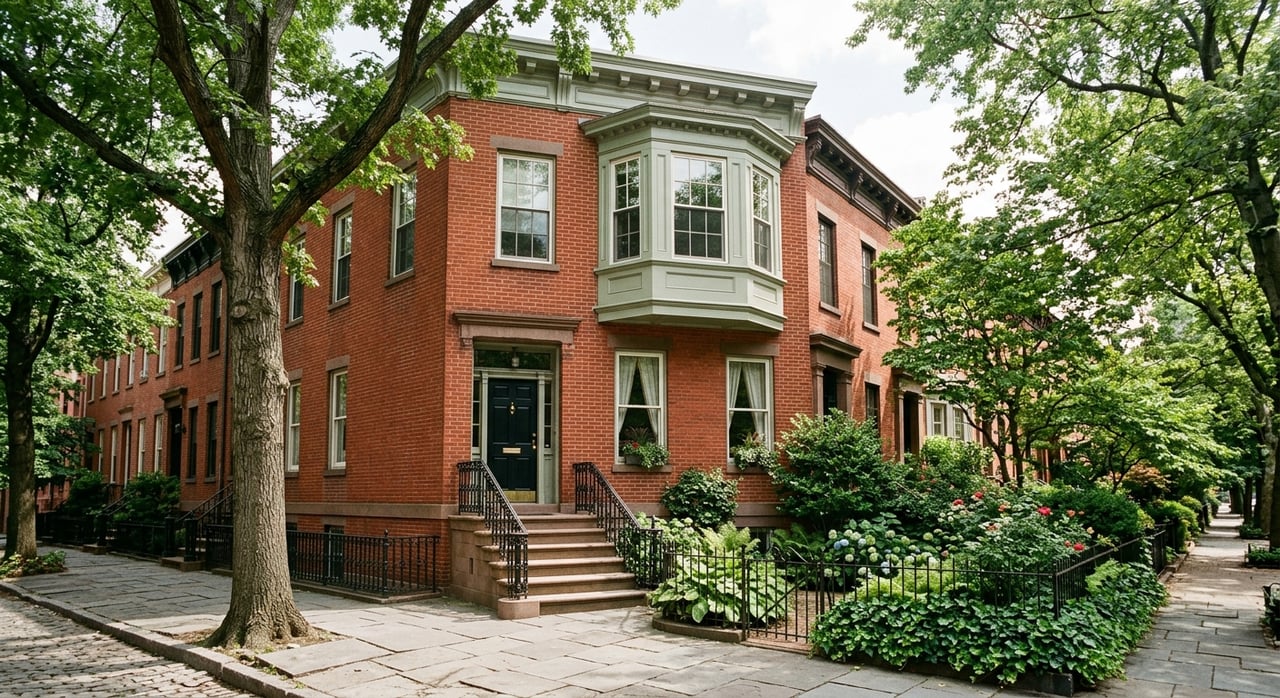
Logan Circle has a distinctly residential historic feel, even though it sits close to some of the city’s busiest dining and nightlife corridors. The National Park Service notes that it is the only circle park in Washington, DC, that still retains the residential character originally intended by Pierre L’Enfant. That gives the neighborhood a rare sense of architectural continuity and calm.
Much of that identity comes from its streetscape. Turn-of-the-century townhouses face the circle, while 14th Street NW serves as the area’s main commercial spine. In everyday terms, that means you can move quickly from quiet residential blocks to restaurants, shops, and nightlife within a short walk.
If your ideal day includes coffee on a tree-lined block, a walk past historic rowhouses, and dinner plans on 14th Street, Logan Circle may feel very natural. The neighborhood blends classic DC architecture with a lively but neighborhood-scaled social scene. It feels connected without being centered on one major transit hub.
There is also a strong arts and public art presence. Studio Theatre is in Logan Circle, and local public-art projects include a mural walk and the Dancer sculpture at 14th and R Streets NW. For many buyers, that adds texture to daily life beyond restaurants and retail.
Dupont Circle has a busier, more centralized energy. The historic district stretches from 1875 to 1931 in architectural significance, and the area today functions as both a residential neighborhood and a major gathering place. The National Park Service describes Dupont Circle as a central social space and an important part of DC’s LGBTQ history and Pride celebrations.
Its commercial footprint is broad and visible. The Dupont Circle BID describes an approximately 22-block district around the circle, Connecticut Avenue, Massachusetts Avenue, and P Street NW. That larger footprint can make Dupont feel more active, more institutionally anchored, and more city-center in pace.
If you like the idea of stepping out into a neighborhood with regular foot traffic, a visible central plaza, and a wide mix of shops, dining, and culture, Dupont may suit you well. The circle and fountain act as a daily gathering point, and the area has long been known for its bistros, bars, boutiques, and museums. It tends to feel social and eventful even on ordinary weekdays.
Dupont also has routine anchors that shape everyday life. The year-round FRESHFARM Dupont Circle Market brings more than 80 farmers and producers in peak season, and The Phillips Collection adds a major cultural draw with nearly 6,000 works of modern and contemporary art. If you enjoy neighborhoods with built-in activity, Dupont has a strong case.
For many buyers, this is where the Logan versus Dupont decision becomes clearer. The neighborhoods offer different housing patterns, and those patterns often shape your daily experience as much as price or square footage.
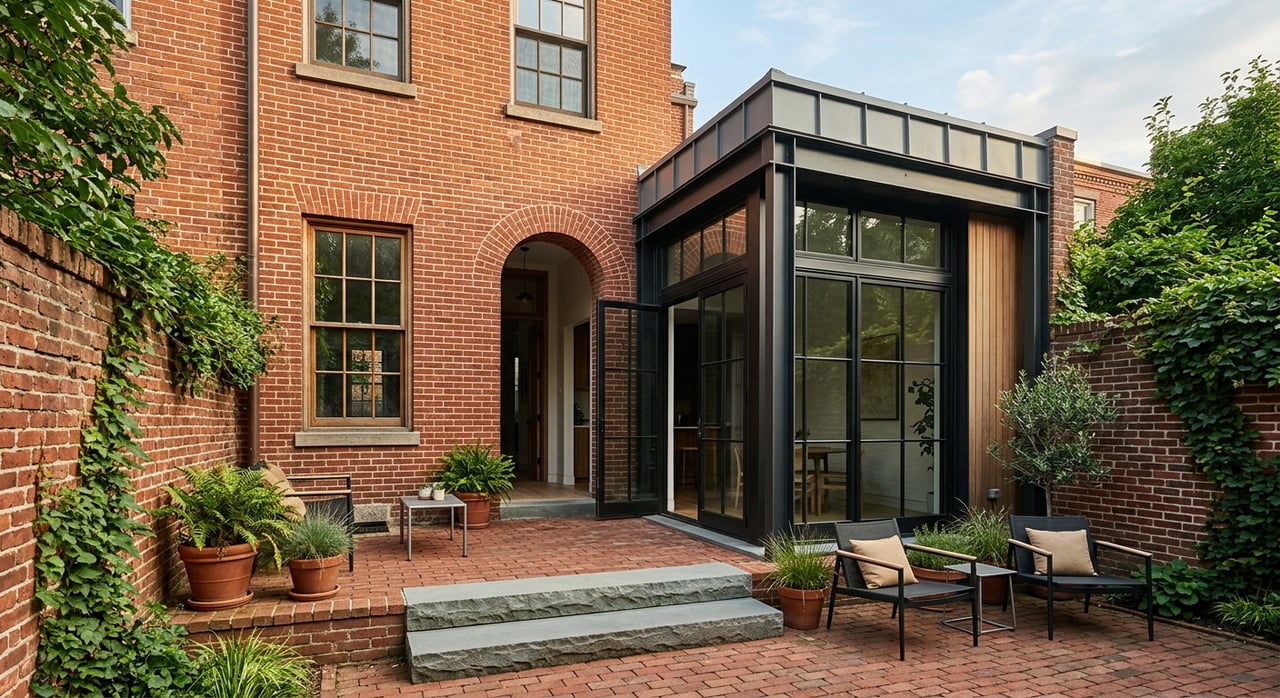
Logan Circle’s historic building stock is dominated by rowhouses. Many are set back behind small iron-fenced yards, usually rising 3 to 3.5 stories, often built in brick with stone trim in High Victorian or Richardsonian Romanesque styles. Some former single-family homes have also been converted into apartments or smaller condo buildings.
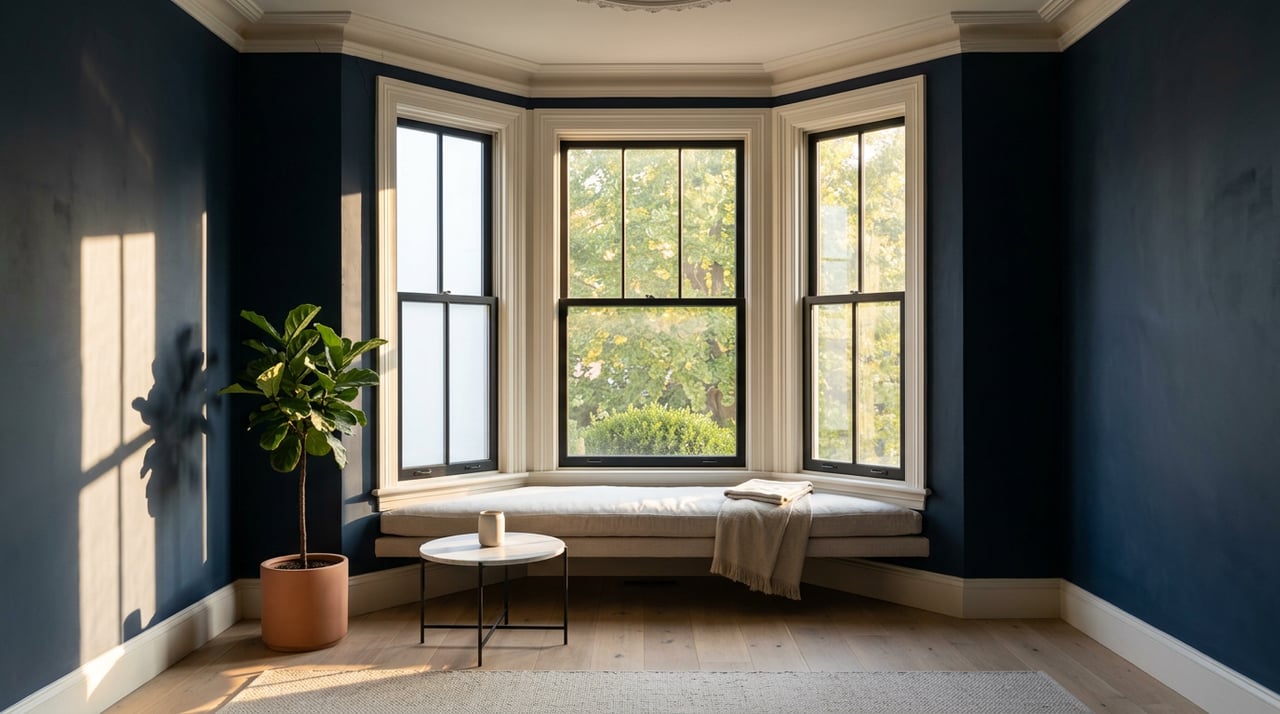
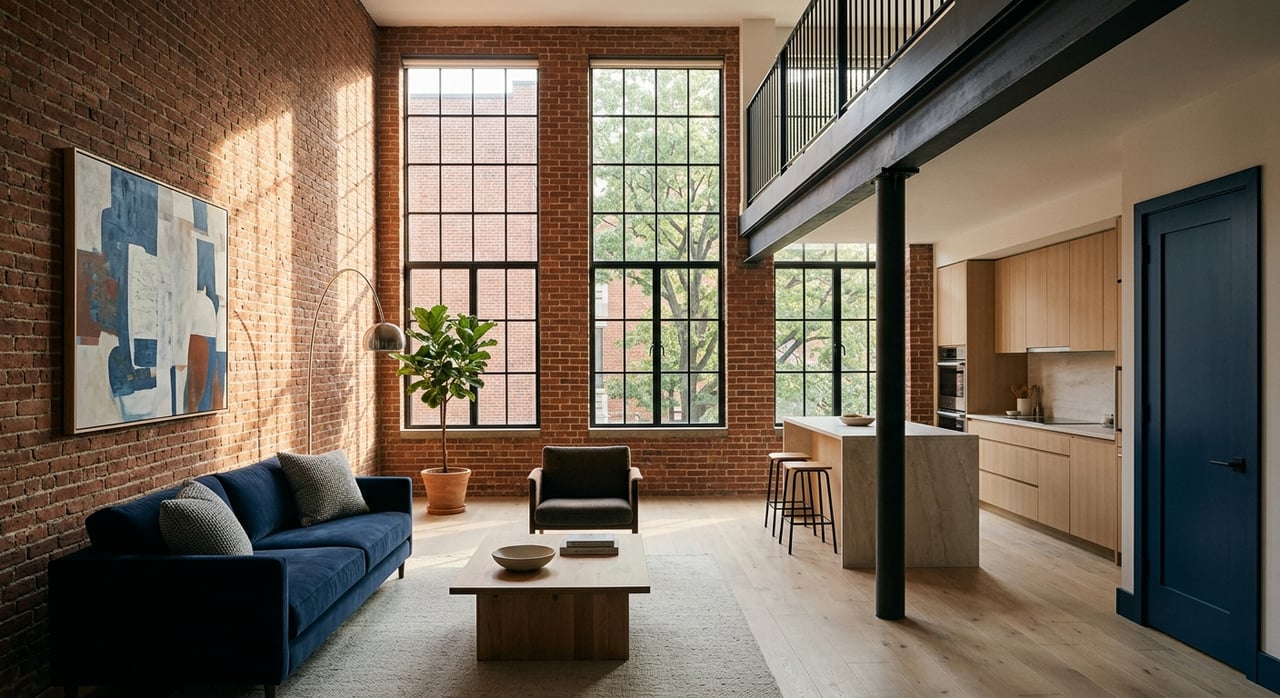
That usually means your options in Logan are more likely to include renovated rowhouses and condo conversions rather than large, amenity-heavy multifamily towers. If you are drawn to original architectural detail, stoops, bay windows, and a more intimate residential setting, Logan often aligns well with that preference.
Dupont Circle offers a more varied residential mix. Its historic district includes late 19th-century townhouses, early 20th-century brick townhouses, apartment houses, and blocks where 2-story rowhouses stand next to 3- to 5-story apartment buildings. There are also larger mansion blocks along New Hampshire Avenue.
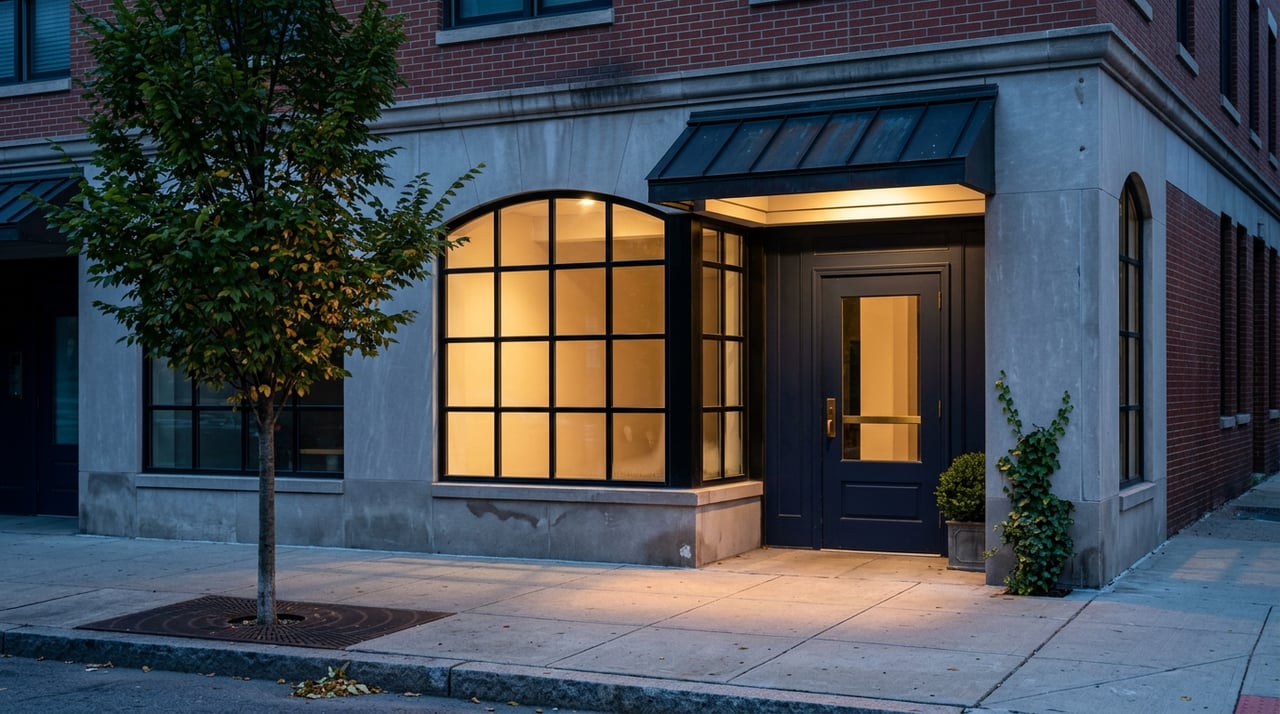
In practical terms, Dupont is more likely to offer elevator buildings, shared lobbies, and fuller multifamily amenities. Residential listings in the area show a broader spectrum, including buildings with underground parking, on-site laundry, security, all-inclusive co-living suites, and more service-oriented amenity packages. If convenience inside the building matters as much as neighborhood charm outside it, Dupont may have the edge.
Both neighborhoods give you strong city living, but they do it in different ways.
Logan’s social life is strongly tied to 14th Street NW between M and U streets. Washington.org describes this stretch as the main business drag, with dozens of restaurants, independent and national-brand shops, and a busy bar scene. Well-known names in the area include Le Diplomate, Pearl Dive, Barcelona Wine Bar, ChurchKey, Salt & Sundry, West Elm, Room & Board, and Miss Pixie’s.
This setup can work especially well if you want your dining and retail concentrated along one easy-to-understand corridor. You get a clear “go-to” stretch for nights out, casual errands, and weekend browsing. That can make Logan feel both lively and legible.
Dupont spreads its activity across a broader area. The neighborhood is known for dozens of bistros, bars, boutiques, and museums, with 17th Street noted for gay-owned businesses and the circle itself acting as a daily meeting point. Rather than one defining corridor, Dupont offers several interconnected pockets of activity.
That wider spread can make Dupont feel more layered and urban in a classic DC way. You may find that a morning market run, a museum visit, and dinner plans all happen within the same neighborhood, but across different blocks and avenues. For some buyers, that variety is a major draw.
A neighborhood can look perfect on paper but feel less practical once you factor in commuting, parking, and day-to-day movement. Logan Circle and Dupont Circle differ in meaningful ways here.
Logan Circle does not have a single namesake Metrorail station. Instead, it is served by nearby access points including U Street/Cardozo, Shaw/Howard University, Mt. Vernon Square, and the Red Line at Dupont Circle. Metrobus routes 52, 54, and 64 serve the area, and the DC Circulator runs along 14th Street.
That tends to make Logan a short-walk transit neighborhood rather than a station-centered one. If you do not mind stitching together your routine through walking, biking, buses, and nearby Metro stops, Logan can feel highly connected. If you want to be directly on top of a station, it may feel a bit less straightforward.
Logan also comes with some practical rowhouse-neighborhood realities. Residents often rely on residential parking permits, and narrow streets and alleys shape services like trash and recycling collection. These are small details, but they matter when you are thinking about day-to-day ease.
Dupont Circle is more directly anchored to Metro. WMATA places the Dupont Circle station at 1525 20th Street NW and notes bike racks, bikesharing, and no parking at the station. For buyers who prioritize easy Red Line access, that can be a real advantage.
The surrounding public realm is also actively managed and evolving. The Dupont Circle BID says DDOT is investing $37 million in a Connecticut Avenue streetscape project that includes a future Dupont Plaza, new sidewalks, tree boxes, bike lanes, and stormwater features, while the BID’s clean team handles daily street cleaning and landscaping. In practical terms, Dupont often feels more transit-centered and more formally maintained in its commercial core.
If you are still undecided, the simplest way to choose is to think about your ordinary Tuesday, not just your ideal Saturday.
A useful shorthand is this: Logan Circle leans more historic-home, neighborhood-scale, and 14th Street social, while Dupont Circle leans more mixed-housing, transit-anchored, and city-center in feel. Neither is universally better. The right choice depends on whether you see yourself happiest in a rowhouse-forward setting with a strong local rhythm, or in a denser, more amenity-rich environment built around the circle and the Red Line.
If you are weighing Logan Circle against Dupont Circle, the most helpful next step is to compare not just listings, but lifestyle fit block by block and building by building. For tailored guidance on DC neighborhoods, luxury condos, and historic rowhomes, connect with Fleur Howgill.
Stay up to date on the latest real estate trends.
Fleur and Veronique's passion for travel has significantly enriched their understanding of diverse cultures and unique requirements. Their personal experience as expatriates further enhances their ability to cater to the needs of an international clientele seeking insight into life in Washington DC. Fleur's remarkable history of achievements serves as a testament to her expertise. Don't hesitate to contact Fleur's team to discover more about how they can assist you!