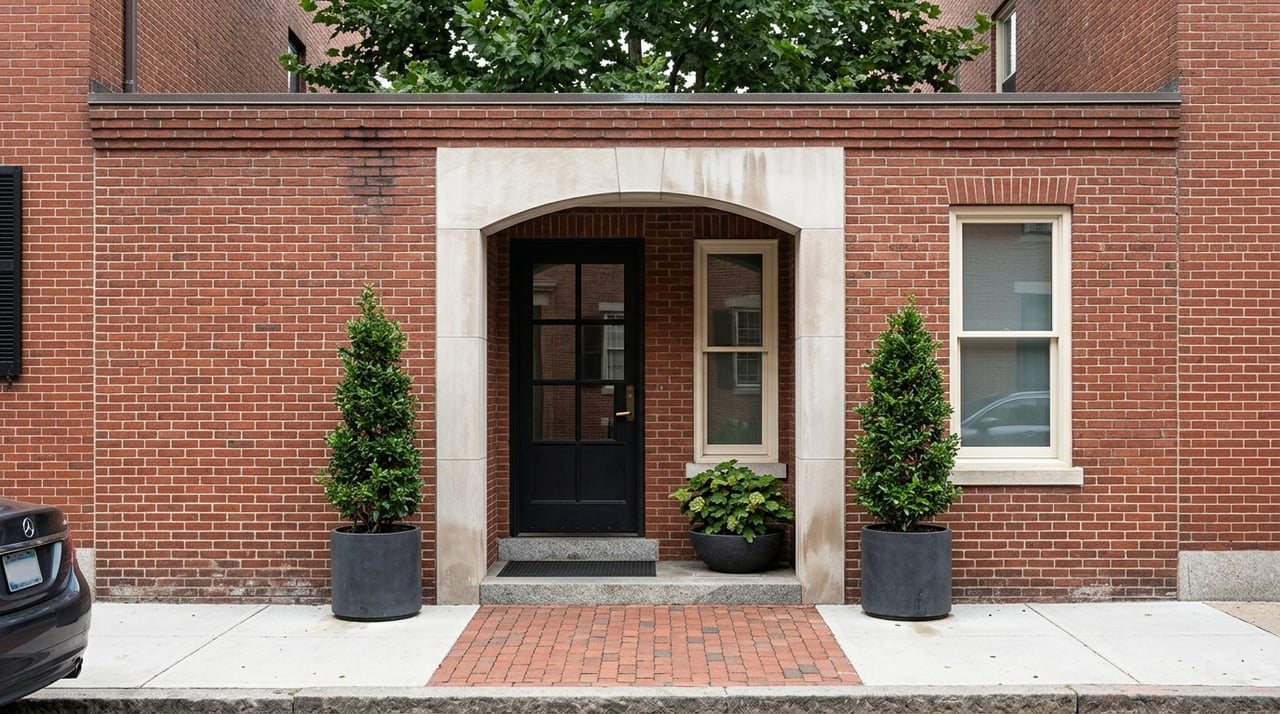
Georgetown Or West End: A Guide For International Professionals
April 23, 2026
April 23, 2026
If you are relocating to Washington for a global role, your home base can shape your daily life more than you might expect. A five-minute shorter walk to the Metro, a quieter evening streetscape, or easier access to dining and the waterfront can all change how settled you feel. If you are weighing Georgetown versus West End, this guide will help you compare the two through the lens that matters most for internationally mobile professionals. Let’s dive in.
For many buyers, this choice comes down to character versus convenience. Georgetown is known for historic streets, a strong residential feel, and a retail and waterfront lifestyle. West End feels more central, more mixed-use, and better suited to buyers who want newer condo living and simpler access to key institutions.
Because Washington does not have official neighborhood boundaries, the most practical way to compare these areas is through the Georgetown Historic District, the George Washington University/Old West End Historic District, and the Georgetown BID’s neighborhood descriptions. Those sources support a clear contrast between Georgetown’s historic, retail-rich identity and West End’s more central, institution-adjacent setting.
West End has a practical advantage that many relocating buyers notice right away: it is easier to navigate on a daily basis. The neighborhood is closely tied to Foggy Bottom and George Washington University, and it sits near many of the offices and institutions that bring international professionals to Washington.
If your work is connected to federal agencies, multilateral institutions, or nearby universities, West End can reduce friction in your routine. It offers a more Metro-oriented lifestyle, quicker access to central DC, and a housing mix that often feels familiar to buyers coming from other global cities.
West End has the clearest edge on transit. The Foggy Bottom-GWU Metro station sits at 23rd and I Streets NW on the George Washington University campus, and WMATA notes that it is within walking or biking distance of Georgetown and the M Street corridor.
That matters if you want a true Metro-first routine. If you expect to commute regularly without relying on a car, West End is generally the easier fit.
For internationally mobile professionals, location is often about more than neighborhood charm. It is about how quickly you can get to meetings, offices, and daily commitments.
West End is generally closer to the central corridor of major institutions, including the IMF headquarters at 700 19th Street NW, the World Bank at 1818 H Street NW, and the State Department at 2201 C Street NW, based on the official addresses in the research. Compared with Georgetown, that usually translates to a simpler walk or shorter commute for many professionals working nearby.
If you prefer an elevator building, on-site amenities, or a more lock-and-leave lifestyle, West End often lines up better with that goal. The historic core includes townhouses, rowhouses, and early apartment buildings, while newer developments have expanded the supply of luxury residences.
Projects such as West End Square 37 and Square 50 reflect that more condo-heavy, amenity-rich character. In practical terms, West End tends to offer more of the newer residential product many relocating buyers ask for first.
Georgetown remains one of Washington’s most recognizable neighborhoods for a reason. It combines historic architecture, a strong sense of place, and a walkable environment centered around shops, dining, and the waterfront.
If you care most about charm, texture, and living in a neighborhood that feels distinctly Washington, Georgetown can be very compelling. It is less about direct Metro access and more about everyday experience.
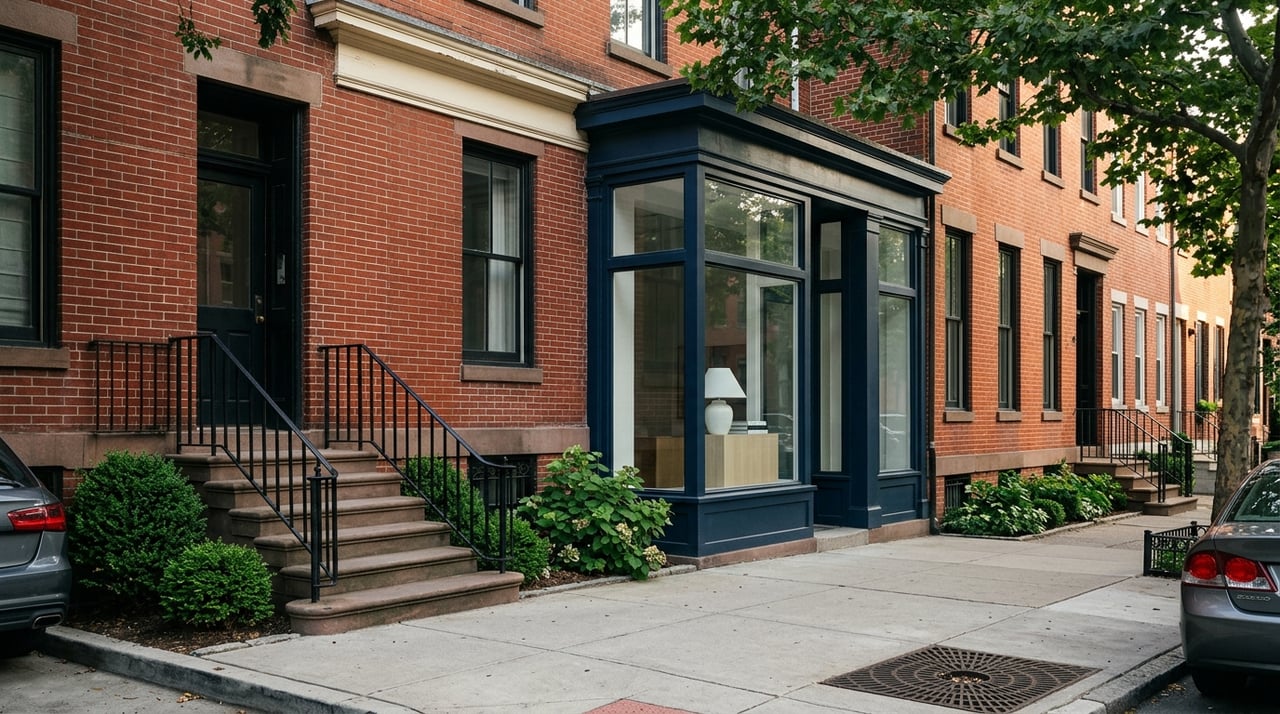
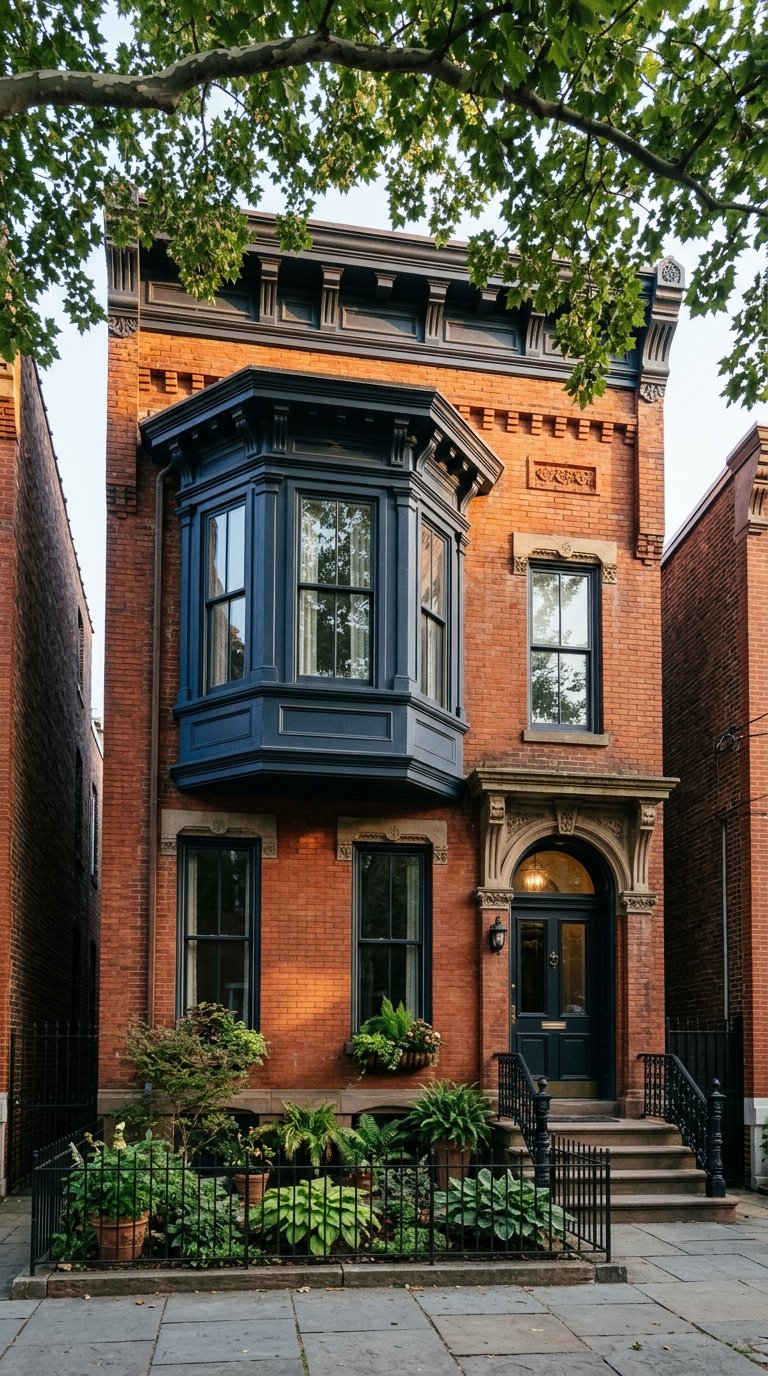
The Georgetown Historic District includes some of the city’s oldest buildings and a wide mix of residences, estates, and commercial structures. According to the city’s historic inventory and Georgetown BID descriptions, the area north of M Street is defined by quiet, tree-lined residential streets and homes dating back to the 18th century.
For buyers, that usually means low-rise character, older building fabric, and stronger preservation constraints. If you are drawn to historic rowhouses or a more architectural streetscape, Georgetown often stands apart.
Georgetown has a more concentrated commercial core than West End. The Georgetown BID notes that the neighborhood includes more than 470 shops, restaurants, and institutions, with activity centered around M Street, Wisconsin Avenue, Washington Harbour, the Georgetown Waterfront Park, and the C&O Canal.
That creates a livelier public realm. If you like being able to step outside and immediately plug into dining, shopping, and waterfront walks, Georgetown may better match your lifestyle.
Georgetown does not have its own Metro station. However, the Georgetown BID notes that Foggy Bottom-GWU is about a 15-minute walk away, and Rosslyn is also within walking distance across Key Bridge.
So Georgetown is not disconnected. It simply favors walking, biking, and local neighborhood life over direct rail access.
One of the biggest practical differences between Georgetown and West End is how each neighborhood lives day to day inside the home. Even when both offer premium residences, the feel can be very different.
Georgetown may be a better fit if you are looking for:
This setting often appeals to buyers who want a home with a strong sense of place and do not mind trading some modern building conveniences for that experience.
West End may be a better fit if you are looking for:
For many international buyers, this setup can feel simpler during a relocation, especially when timing is tight and convenience matters.
Both neighborhoods offer strong daily convenience, including nearby grocery access. Current ABCA records list Whole Foods Market at 2201 I Street NW near West End and Fresh Fields Whole Foods Market at 2323 Wisconsin Avenue NW in Georgetown.
The bigger difference is the street experience around those essentials. Georgetown is more retail-heavy and more visitor-oriented, while West End reads as more civic, mixed-use, and residential in feel.
Because of its shopping streets and waterfront destinations, Georgetown often feels busier, especially around M Street and the waterfront. The neighborhood also has significant parking capacity, with the Georgetown BID reporting 20 lots and garages and more than 3,800 parking spaces.
That can be useful if your household still relies on a car, expects frequent guests, or uses ride-hail often. Georgetown’s energy can be a plus if you enjoy a more active neighborhood rhythm.
West End tends to feel quieter after business hours, even with its hotel and institutional presence. Civic and service-oriented amenities play a larger role there, including the West End Library, which DC Public Library describes as a neighborhood hub for reading, information, and community engagement.
That tone can appeal to buyers who want a more understated home base. If your priority is to come home to a neighborhood that feels central but not overly destination-driven, West End has a strong case.
If you are trying to choose between Georgetown and West End, these are often the questions that bring clarity:
For many internationally mobile professionals, the answer becomes clear once you think beyond the property itself and focus on how you want your week to function.
If your move is driven by convenience, centrality, and an easy transition into Washington life, West End is often the stronger fit. It is especially appealing if you want Metro access, proximity to major institutions, and a newer condo-style home.
If your move is more lifestyle-driven and you want a neighborhood with historic charm, a strong retail core, and waterfront appeal, Georgetown may be the better match. It offers a more distinctive sense of place, even if your daily commute takes a bit more planning.
The right answer depends on how you live, work, and want to feel at home in Washington. If you would like discreet, tailored guidance on buying in West End, Georgetown, or another DC neighborhood, connect with Fleur Howgill for thoughtful relocation support and local insight.
Stay up to date on the latest real estate trends.



Fleur and Veronique's passion for travel has significantly enriched their understanding of diverse cultures and unique requirements. Their personal experience as expatriates further enhances their ability to cater to the needs of an international clientele seeking insight into life in Washington DC. Fleur's remarkable history of achievements serves as a testament to her expertise. Don't hesitate to contact Fleur's team to discover more about how they can assist you!