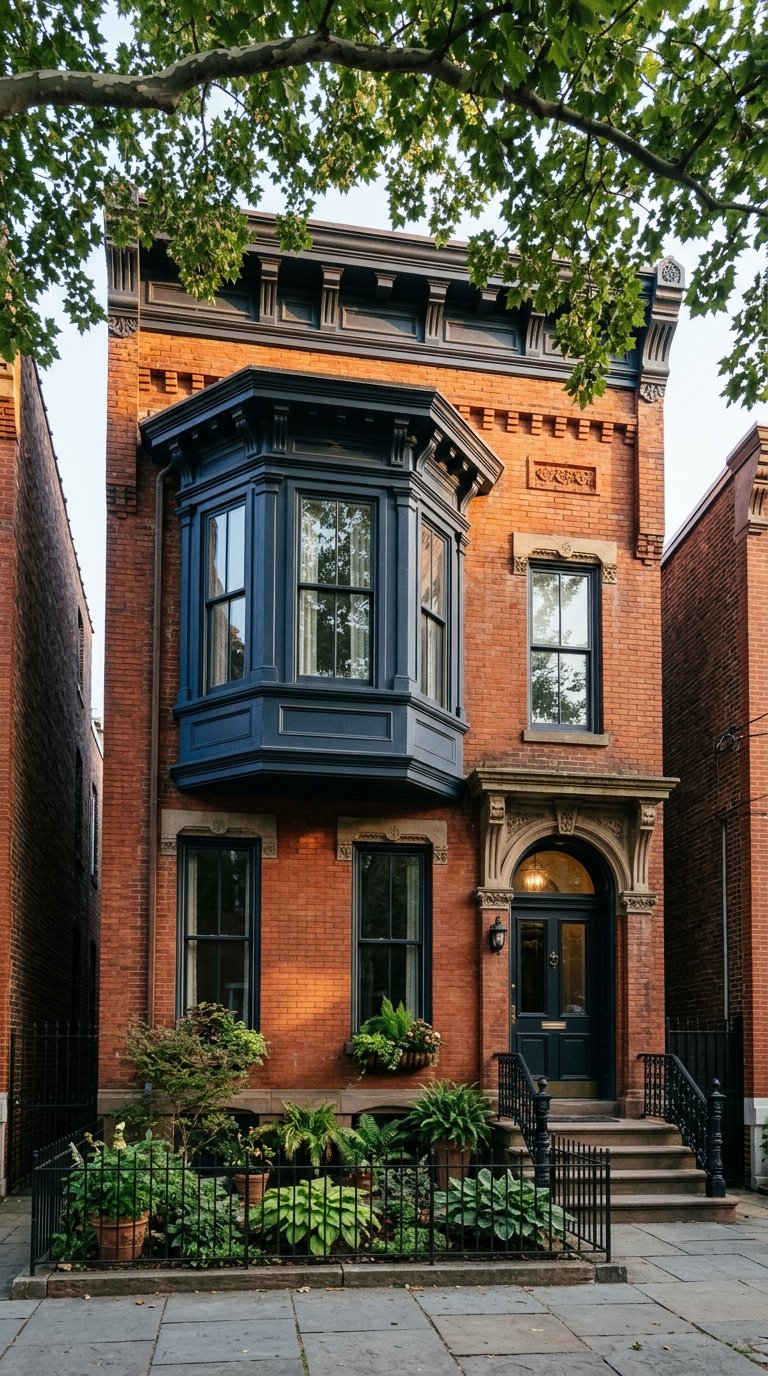
How To Position A Shaw Rowhouse For A Standout Sale
April 2, 2026
April 2, 2026
If you are selling a Shaw rowhouse, presentation is not a finishing touch. It is part of the pricing strategy. In a neighborhood where buyers often discover homes online first and where historic character shapes first impressions, you need your home to feel both memorable and easy to understand. This guide walks you through how to position your Shaw rowhouse for a stronger debut, from smart prep and staging to a launch that helps the first weekend count. Let’s dive in.
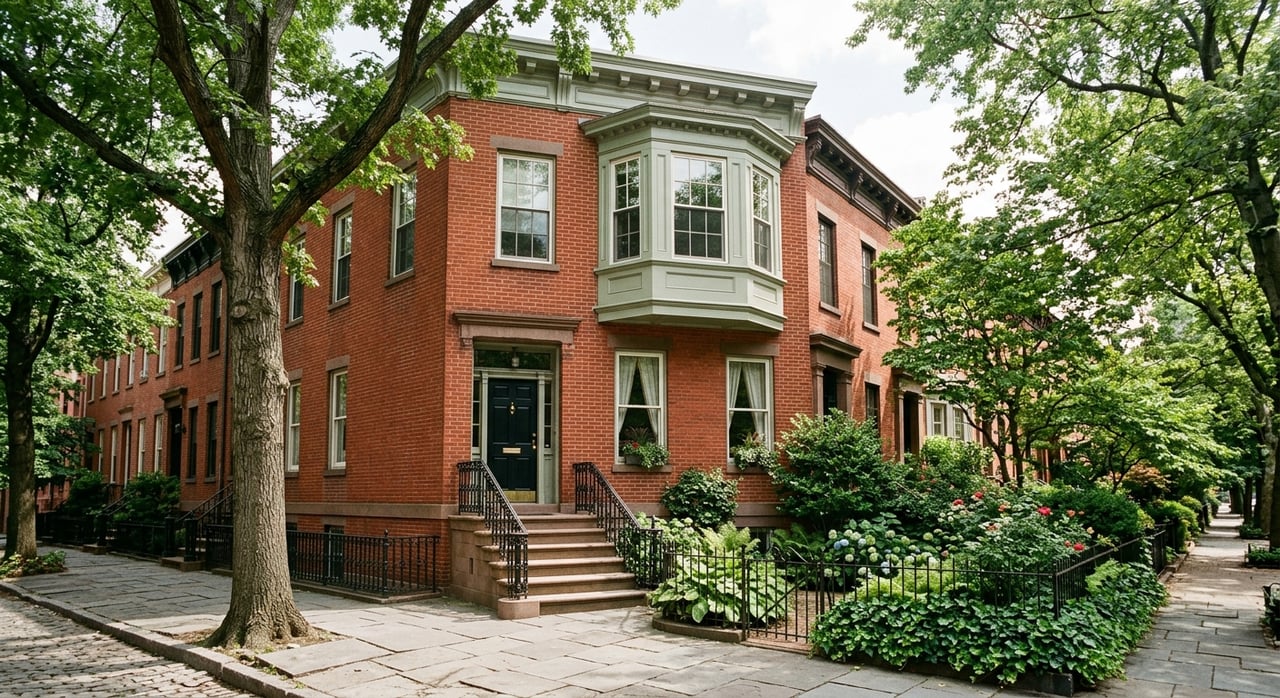
Shaw is not just another rowhouse market. It is a designated historic district with a long architectural story, shaped by development along 7th Street and a recognizable pattern of brick dwellings, rowhouses, and alley life, as outlined by the DC Office of Planning’s Shaw Historic District overview.
That matters when you sell. Buyers are not only evaluating bedrooms and baths. They are also responding to the feeling of a historic streetscape, a walkable setting, and a home that fits naturally into one of Washington’s best-known urban neighborhoods.
Shaw also offers a lifestyle that should be part of your listing story. Washington.org’s Shaw neighborhood guide highlights the area’s history, theaters, restaurants, lively alleyways, and Metro access via Shaw-Howard U, all of which help frame the appeal of living here.
Market context supports the need for careful positioning. Recent Redfin data for Shaw Historic District showed a median sale price of $750,000 in February 2026, with a 98.3% sale-to-list ratio and 128 median days on market. That suggests Shaw can command strong value, but buyers are selective, so the way your home is presented can influence how quickly and confidently they engage.
Most buyers begin their search on the internet. According to the National Association of Realtors 2024 buyer and seller snapshot, 43% of buyers first looked for properties online, and photos, detailed property information, and floor plans ranked among the most valuable listing features.
That means your Shaw rowhouse has to tell a clear story before anyone walks through the front door. Buyers should be able to understand the layout, the condition, and the lifestyle within seconds of opening the listing.
For a rowhouse, clarity matters as much as beauty. Narrow urban homes can be elegant and full of character, but they also need careful marketing so buyers can quickly see how the rooms connect and how the home lives day to day.
In Shaw, the best pre-listing work is often subtle. You want the home to feel cared for, bright, and functional without stripping away the details that make it distinctive.
A smart prep plan usually starts with the basics:
In a historic rowhouse, original woodwork, brick, stair details, and window lines often do a lot of the visual work. A quieter presentation helps buyers notice those elements instead of getting distracted by too much furniture, bold colors, or visual clutter.
Before making exterior updates, pause. In a historic district, some work may require review.
The DC Historic Preservation Office guidance explains that review is required when a building permit is needed for work affecting the exterior appearance of a historic property. Examples can include major additions, front alterations, visible roof decks, and significant changes to front windows or doors.
For most sellers, that means lower-friction improvements are the safer first move. Cleaning, minor repair, landscaping, paint touch-ups, and lighting upgrades can improve curb appeal without creating unnecessary delays. If you are considering anything more substantial on the façade, porch, windows, or deck, it is wise to check early rather than risk slowing down your listing timeline.
Staging works because it helps buyers picture themselves in the home. The NAR 2025 Profile of Home Staging found that 83% of buyers’ agents said staging made it easier for buyers to visualize a property as a future home, while many agents also reported reduced time on market and stronger offers.
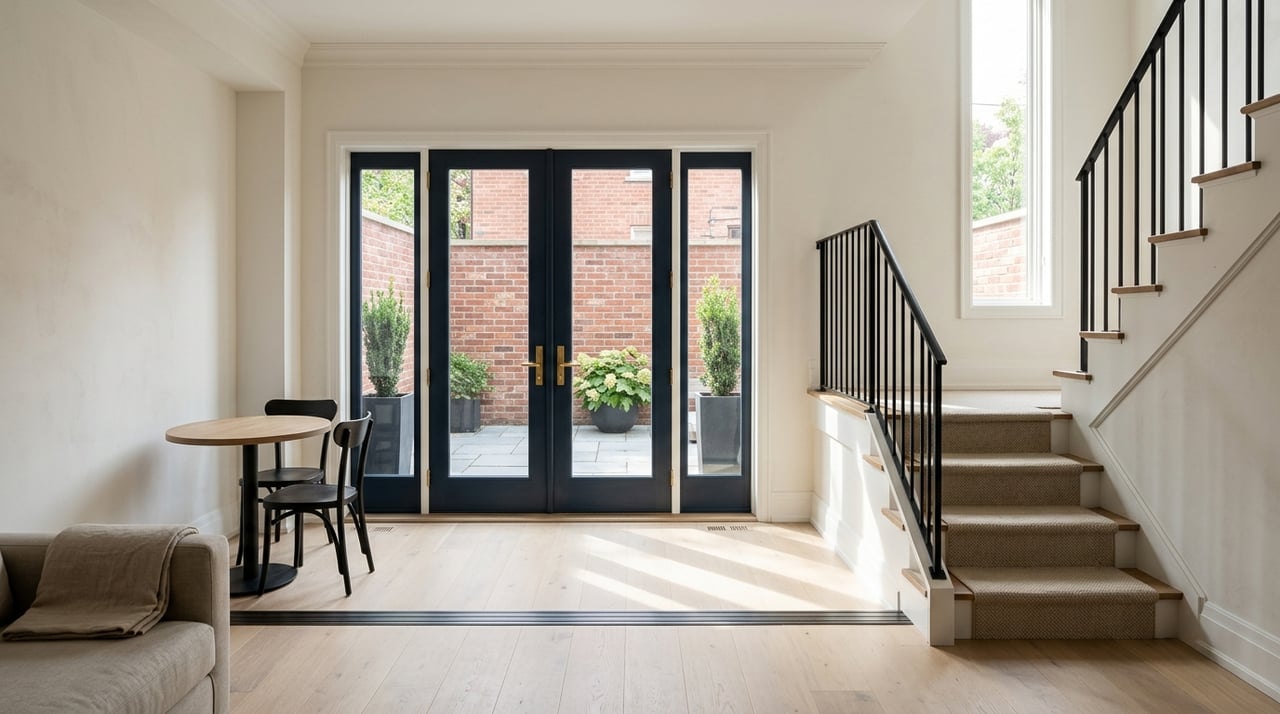
For a Shaw rowhouse, staging should not try to make the home feel generic. It should help the proportions make sense. Buyers need to see how the main level flows, where furniture fits comfortably, and how daily life works across multiple floors.
If your budget is limited, stage the rooms that carry the listing online first. NAR identified the living room, primary bedroom, dining room, and kitchen as the most commonly staged spaces. Those rooms also tend to do the most work in a Shaw listing, because they shape buyers’ early sense of style, comfort, and usability.
If you are prioritizing where to spend, start here:
Use furniture that fits the footprint. In a rowhouse, oversized pieces can make rooms feel tighter and interrupt sightlines through the main floor and up the stairs.
A vacant rowhouse can feel colder and harder to read online. Buyers may struggle to judge room size or understand how to use awkward corners, lower levels, or open-plan spaces.
That is why NAR’s field guide to preparing and staging a house for sale notes that virtual staging can be especially helpful for homes that are completely vacant or still inhabited. If your home is empty, virtual staging may help buyers grasp the scale and function of key rooms without the cost and logistics of full physical staging.
The right choice depends on the property, timeline, and marketing plan. What matters most is that the listing does not leave buyers guessing.
Photos do heavy lifting in any listing, but especially in Shaw, where buyers are comparing character, updates, and layout across a relatively specific housing type. Since buyers say photos are the most valuable website feature, your media package should feel complete from day one.
For a Shaw rowhouse, the first-day photo set should usually include:
Floor plans matter too. NAR’s buyer data shows strong demand for them, and they are especially useful in multi-level homes where buyers want to understand how rooms connect. In a rowhouse, a floor plan can reduce confusion and increase confidence before a showing is ever scheduled.
A Shaw rowhouse should be described as both a home and a location-driven experience. That does not mean overdoing it. It means connecting the property to what buyers already value about Shaw.
Your listing language should naturally reference the neighborhood’s historic setting, walkability, restaurants, cultural landmarks, and access to the Shaw-Howard U Metro station when relevant. The goal is to show how the home fits into daily life, not to rely on generic praise.
Done well, this approach reinforces what makes Shaw distinct. It also helps buyers understand why a rowhouse here may command more attention than a similar home in a less recognizable setting.
One of the biggest mistakes sellers make is listing too early. If the home goes live before staging, photography, floor plans, and showing instructions are fully ready, you risk wasting the most valuable period of attention.
In a market where buyers begin online and make fast judgments, the first impression needs to be complete. That means your home should go live only when the visual package is polished, the property is show-ready, and the listing tells a clear story from the first click.
Open houses can support that launch, but they should not carry it. NAR reports that open houses remain useful for some buyers, especially for homes with unique features or strong local amenities, but they work best after the digital presentation is already doing its job.
Before your rowhouse goes live, make sure you can say yes to these questions:
If the answer is yes across the board, you are far more likely to create the kind of debut that helps your home stand out.
Selling a Shaw rowhouse well takes more than tidying up and taking a few photos. It requires a thoughtful balance of preservation, presentation, and timing. If you want tailored guidance on how to position your home for today’s Shaw buyers, Fleur Howgill offers a discreet, high-touch approach built around strong marketing, strategic preparation, and polished execution.
Stay up to date on the latest real estate trends.
Fleur and Veronique's passion for travel has significantly enriched their understanding of diverse cultures and unique requirements. Their personal experience as expatriates further enhances their ability to cater to the needs of an international clientele seeking insight into life in Washington DC. Fleur's remarkable history of achievements serves as a testament to her expertise. Don't hesitate to contact Fleur's team to discover more about how they can assist you!