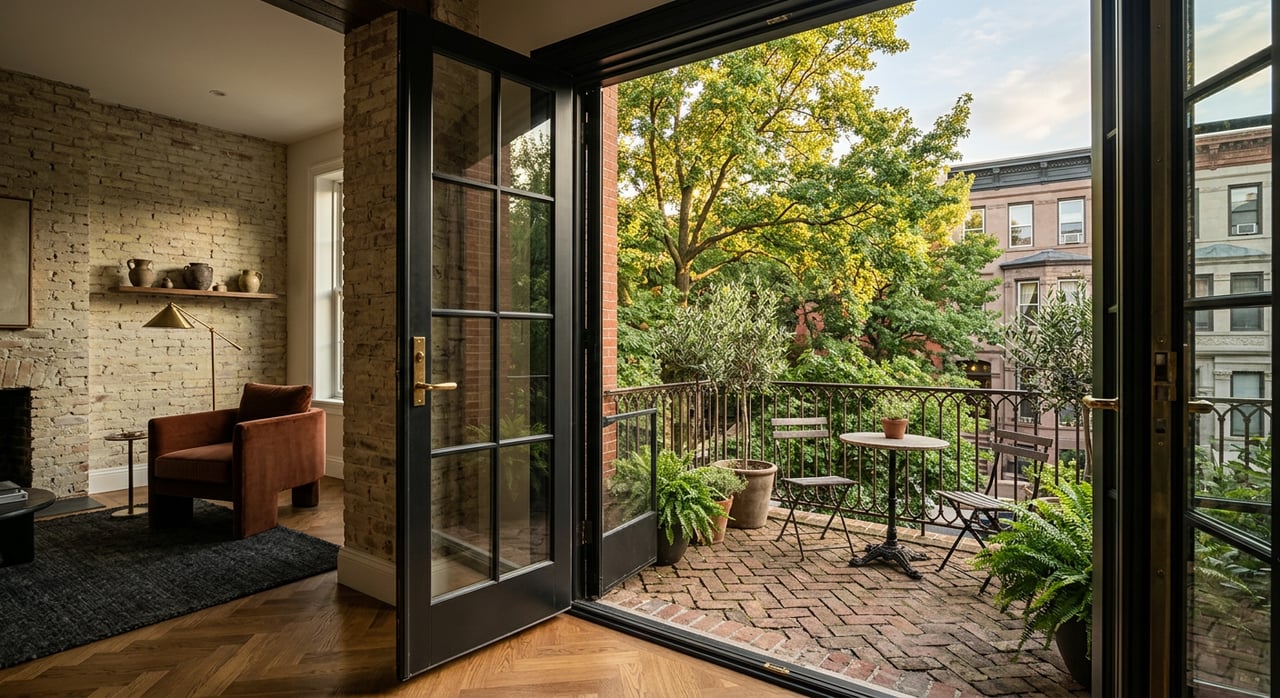
Georgetown Waterfront Homes Guide for DC Buyers
March 24, 2026
March 24, 2026
Picture evening light on the Potomac, a stroll along the boardwalk, and dinner a few steps from home. If you are weighing a move to Georgetown’s waterfront, you likely want the views and the walkable lifestyle without surprises. This guide gives you a clear picture of what “waterfront” means here, the home types you will find, the risks to account for, and a practical checklist to buy with confidence. Let’s dive in.
Georgetown’s river edge runs from roughly 31st Street NW east to Key Bridge. Much of what you enjoy along the water is public space, including the National Park Service’s Georgetown Waterfront Park. The lawns, promenade, and steps are what create that open, park-like feel along the Potomac.
You will also see Washington Harbour, a privately developed complex at 3000–3050 K Street NW with restaurants, office, and residential space wrapped around a public plaza. Seasonal programming and dining keep the area lively, and upper-floor residences can offer dramatic river and skyline views. Explore the setting on the Washington Harbour site and the neighborhood’s waterfront overview.
Just inland, the C&O Canal ends in Georgetown, and its towpath is a signature lifestyle amenity. Walkers and cyclists use it for quick access to the waterfront and to stretch a morning run without ever leaving the neighborhood character that makes Georgetown unique.
Here, “waterfront” often means you are close to the river, but not always on private shoreline. Much of the edge is public parkland, which means many homes and condos enjoy water views across a park or promenade. If your goal is a private dock or direct moorage, you need to verify title, easements, and agency permissions. The river edge includes public assets and mixed-use complexes, so private docks are uncommon.
Views matter and vary block by block. From the waterfront you look toward Key Bridge, Theodore Roosevelt Island, and the Virginia skyline. Vegetation, the slope up from the river, public walkways, and nearby buildings can affect what you see from a given home. Study sightlines from the property and, if possible, from the terrace or rooftop at different times of day.
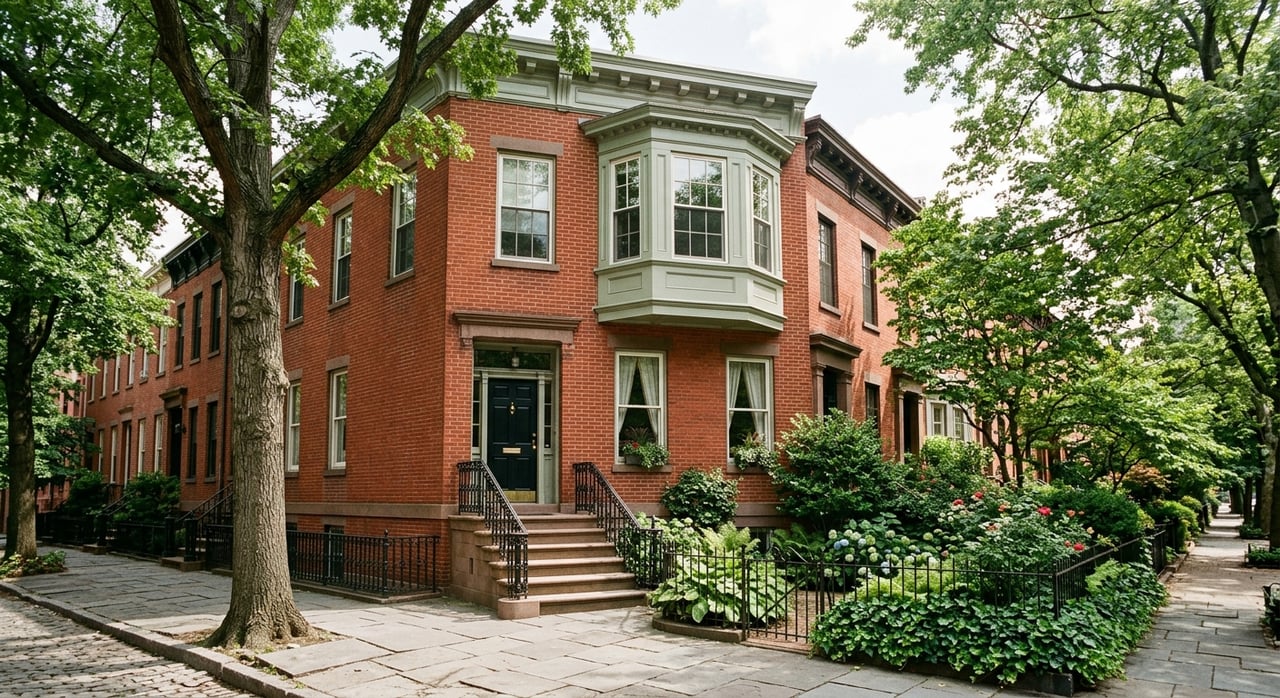
Georgetown’s core residential fabric is historic. Brick rowhouses and townhouses in Federal and Georgian styles line the streets, many from the 18th and 19th centuries. You will also find converted mansions, boutique infill, and modern condominiums, especially near the river.
Georgetown is a designated National Historic Landmark District, and exterior changes face formal review. Before planning a rooftop deck, new terrace, or larger windows “for the view,” review the Georgetown Historic District guidelines and the Old Georgetown Board process. Expect added time and design coordination for visible alterations. This review culture protects the district’s architectural character and is part of owning here.
You will balance charm against convenience. Historic rowhouses deliver prestige and streetscape beauty but may have smaller outdoor space and fewer modern floor plan features. Condos simplify maintenance and can deliver parking and amenities, but you will accept association rules and, sometimes, limits on exterior changes.
If you value walkability, this micro-market delivers. Waterfront paths, plaza dining, and canal-side mornings are part of everyday life. Organized rowing and small-boat activity are concentrated at boathouses along the river, including the National Park Service’s Thompson Boat Center, which offers rentals and access to the water.
Parking is limited and there is no Metro stop in Georgetown. Many buyers prioritize condos with garage parking or townhomes with secure off-street options. If you plan to commute by car or driver, map your typical routes during peak times. If you prefer a low-car lifestyle, confirm proximity to bike routes, rideshare pick-up spots, and bus lines.
Flood risk is a material consideration along DC’s tidal rivers. The District’s resilience planning notes rising river levels and an increase in nuisance or high-tide flooding over time. Treat this as a multi-decade trend, not a one-off event. Review the Resilient DC strategy for context on how the city frames rising water and resilience.
For a specific property, verify the flood zone and elevation before you write an offer. Use the FEMA Flood Map Service Center to locate the current FIRM map and base-flood elevation, and overlay projections on the DC DOEE Flood Risk Map. Ask the seller for any Elevation Certificate or flood-policy documents; an updated certificate can influence insurance pricing.
If a property includes, relies on, or adjoins shoreline structures, factor in permitting. Altering or constructing docks, piers, or bulkheads in navigable waters typically requires approvals, including potential U.S. Army Corps of Engineers permits. Start with the Corps’ nationwide permit rules and confirm requirements with counsel and engineers. The regulatory framework is summarized in the Corps’ rules published on Regulations.gov/Justia. Projects near National Park Service land may also trigger NPS review.
Use this checklist to reduce surprises and strengthen your position:
At a neighborhood level, Georgetown sits firmly in DC’s luxury tier, with typical values commonly in the upper six- to low seven-figure range. River-view condominiums and rare townhouse properties near the water often command a premium because they pair outlooks with private terraces and parking. The size of that premium depends on specifics such as sightlines, outdoor space, and whether water access is private or across public parkland. For an amenity baseline and a feel for the building experience, review Washington Harbour’s overview, then compare to boutique conversions or newer infill nearby.
If privacy matters, know that a share of upper-end transactions in this niche happen discreetly. Your agent should be able to source quiet opportunities, obtain condo financials for carrying-cost clarity, and coordinate inspections that address both historic fabric and modern resilience.
When you pursue a waterfront or water-view home in Georgetown, details win. You need clear guidance on historic review, a sober look at flood exposure, and a plan for association rules, parking, and long-term maintenance. Our approach is hands-on and discreet, designed for executives and internationally mobile clients who value efficiency and calm, expert counsel.
With the Fleur Howgill Team, you get:
Ready to explore the Georgetown waterfront with a trusted guide? Connect with Fleur Howgill for a confidential conversation about your goals.
Stay up to date on the latest real estate trends.




Fleur and Veronique's passion for travel has significantly enriched their understanding of diverse cultures and unique requirements. Their personal experience as expatriates further enhances their ability to cater to the needs of an international clientele seeking insight into life in Washington DC. Fleur's remarkable history of achievements serves as a testament to her expertise. Don't hesitate to contact Fleur's team to discover more about how they can assist you!