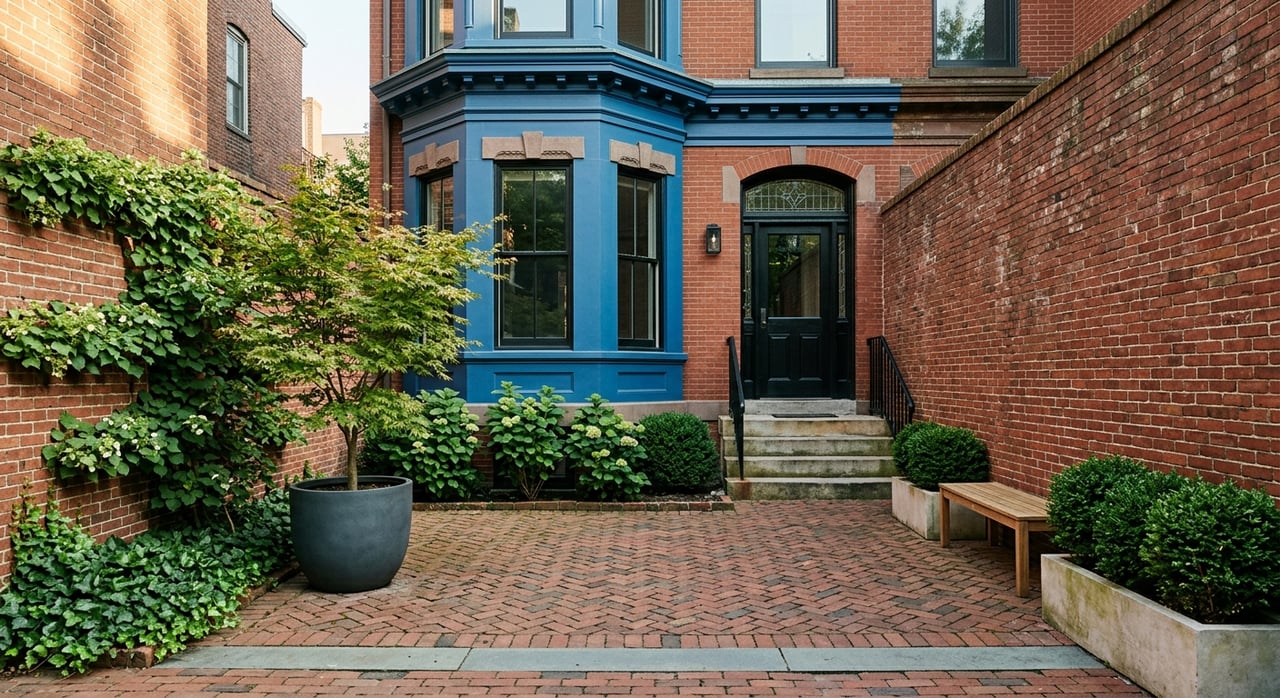
Hidden Courtyard Living On Capitol Hill
June 4, 2026
June 4, 2026
Tucked behind Capitol Hill’s iconic rowhouse fronts is a quieter kind of city living that many buyers do not fully appreciate until they see it in person. If you love the energy of Capitol Hill but want a little more privacy and retreat at home, hidden courtyard living can offer a compelling middle ground. Understanding how these homes fit into the neighborhood’s history, layout, and preservation rules can help you make a smarter decision. Let’s dive in.
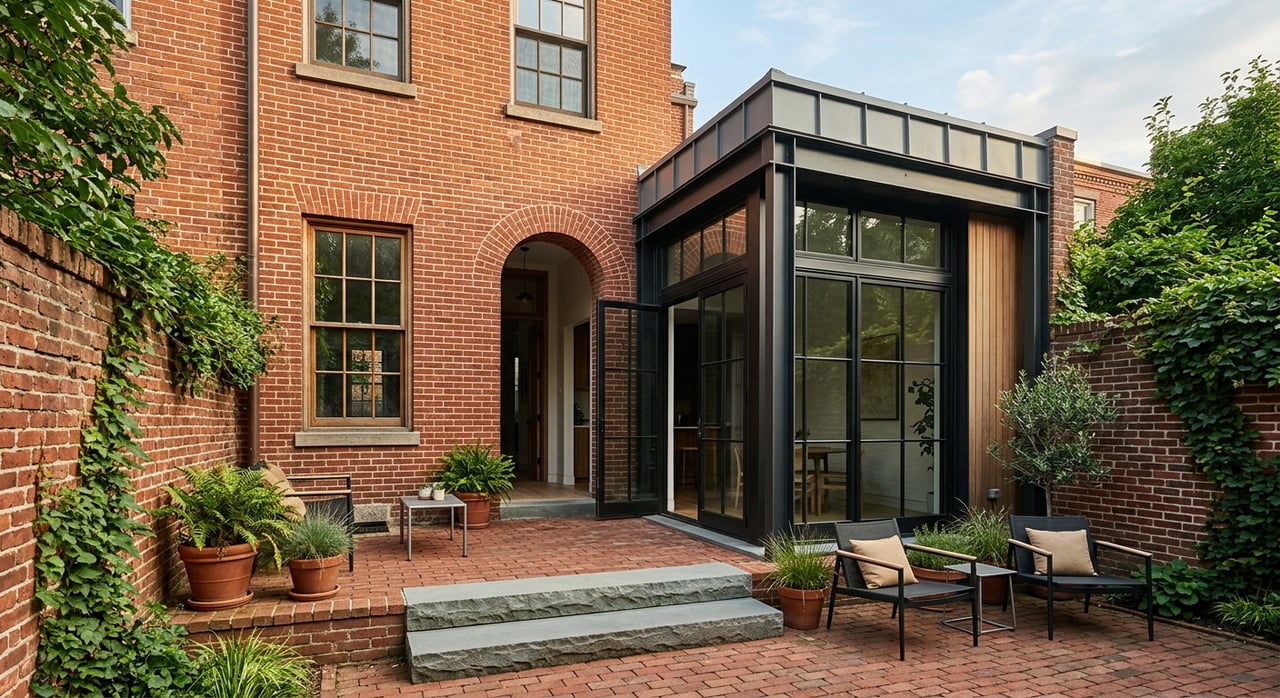
On Capitol Hill, “hidden courtyard living” is less about a formal sub-neighborhood and more about a distinct housing pattern. In practice, it usually refers to homes connected to rear lots, alley-facing structures, carriage-house style buildings, or properties with tucked-away outdoor space behind the main street wall.
That matters because Capitol Hill is one of Washington’s oldest residential neighborhoods and one of its largest historic districts. According to DC planning materials, the district stretches from east of the Capitol grounds to 14th Street, south to Navy Yard, and north to F Street NE, with about 8,000 buildings across 200 city squares. The mix of broad avenues and narrower, tree-lined streets helps create the intimate feel that draws so many buyers to the area.
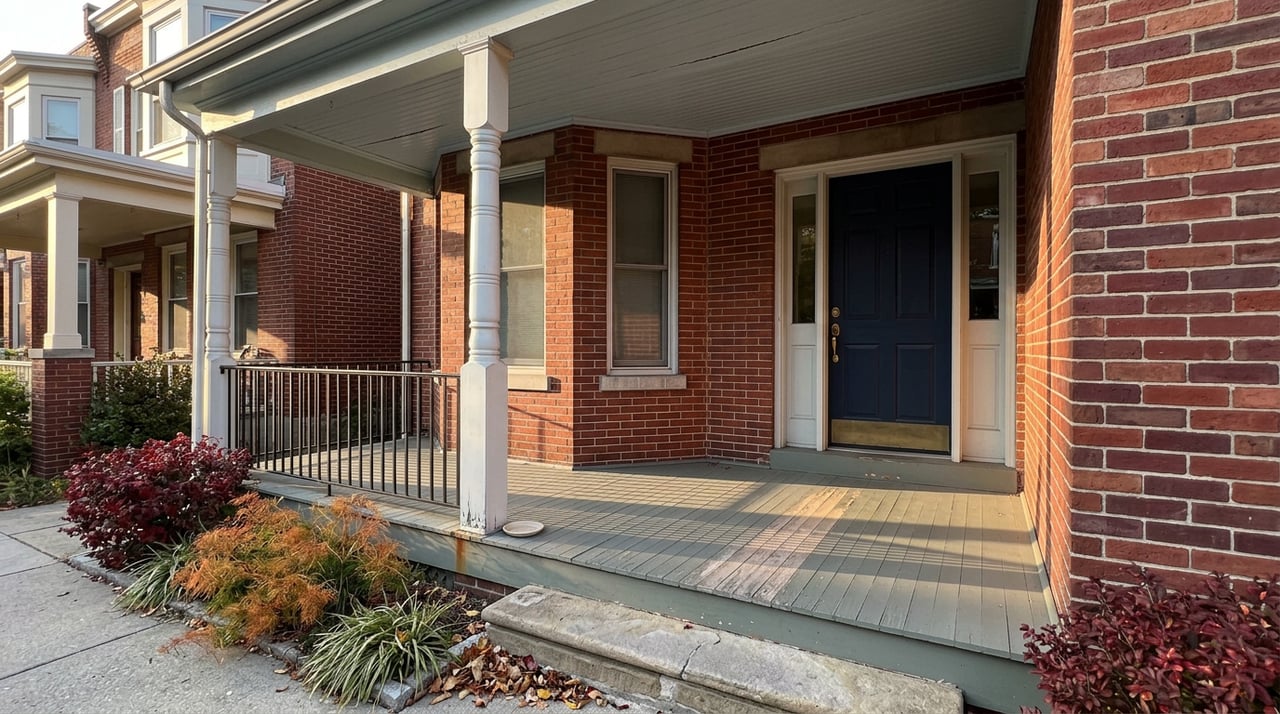
Capitol Hill’s best-known visual identity comes from its 19th-century rowhouses. Italianate, Queen Anne, Romanesque Revival, and some Second Empire homes shape the streetscape, while a second layer of the neighborhood exists behind them in alleys and rear-lot spaces.
DC’s Historic Alley Buildings Survey found 517 alley buildings in Capitol Hill alone, more than any other surveyed historic district. That tells you these hidden spaces are not random leftovers. They are part of the neighborhood’s established cultural and architectural fabric.
For buyers, this often translates into a home that feels removed from the main flow of foot traffic while still being very much in the center of city life. The appeal is not total separation. It is a sense of urban intimacy that can be surprisingly hard to find in such a central location.
If you are picturing a large lawn, Capitol Hill’s hidden courtyard homes may not match that image. Outdoor space here is usually compact and urban, often taking the form of a rear courtyard, patio, narrow yard, roof deck, or a small space defined by alley edges.
That can still be highly livable. For many buyers, these smaller outdoor areas feel easier to maintain and better suited to daily use than a larger yard would be in a dense urban neighborhood. You get a private pocket of outdoor living without losing the convenience of a central address.
The design of these rear spaces also tends to carry real architectural importance. In Capitol Hill’s historic district, alley-facing additions and exterior changes are often reviewed for compatibility with the surrounding alley character, including scale, materials, massing, and window and door patterns.
One of the biggest reasons buyers are drawn to hidden courtyard homes is the atmosphere. Because these properties often sit behind the main street wall, they are generally buffered from the movement and exposure of major corridors.
That said, quiet here does not mean silent. You are still in a dense Washington neighborhood, and the daily rhythm can include deliveries, garage access, trash collection, and regular alley activity. The best description is often a feeling of retreat within the city, rather than escape from it.
This balance is a big part of the charm. You can step out for coffee, groceries, or the Metro with ease, then return to a home that feels just a bit more private and tucked away than its street-facing counterpart.
A hidden setting does not mean giving up Capitol Hill’s practical advantages. Eastern Market remains one of the neighborhood’s central anchors and is officially described as being in the heart of historic Capitol Hill.
Its indoor market is open Tuesday through Saturday from 8:00 a.m. to 6:00 p.m. and Sunday from 8:00 a.m. to 5:00 p.m. Outdoor market activity takes place on Saturdays and Sundays from 9:00 a.m. to 4:00 p.m., and on Tuesdays from 12:00 p.m. to 4:00 p.m. For many residents, that regular schedule adds a dependable neighborhood rhythm.
Daily errands are also straightforward. Capitol Hill BID listings show a dense mix of cafés, quick-stop food spots, and grocery options, including Le Bon Café, Peregrine Espresso, Cameo Coffee + Tea, Le Pain Quotidien, Ebenezers Coffeehouse, Capitol Hill Supermarket, The Corner Market, Trader Joe’s, Yes! Organic Market, and Streets Market.
For transit, the neighborhood is especially well positioned. Eastern Market and Capitol South are on the Orange, Blue, and Silver lines, while Union Station on the Red Line also connects to Amtrak, MARC, VRE, and Greyhound. If your work or travel schedule demands flexibility, that level of access can be a major advantage.
Capitol Hill’s architectural charm is a major draw, but it also comes with responsibilities. DC’s Historic Preservation Review Board and Historic Preservation Office use written standards and design guidelines to review construction affecting historic properties.
Those guidelines can apply to additions, roof decks, basement entrances and windows, and other exterior components. In practical terms, if you are considering a hidden courtyard property because you hope to add square footage or significantly rework the rear exterior, you should confirm what may be allowed before making assumptions.
This is especially relevant on the alley side. Capitol Hill casework shows that two-story carriage-house or garage additions are reviewed carefully, and factors like height, massing, and compatibility with the alley-scape matter.
A hidden courtyard home can be deeply appealing, but it rewards careful due diligence. Before moving forward, it helps to look beyond the charm and focus on how the property functions day to day.
Key items to review include:
These details matter because they affect both convenience and long-term flexibility. The right property can feel wonderfully unique, but it should also support the way you want to live.
This style of home tends to appeal to buyers who want character, location, and a degree of privacy without leaving the city behind. If you value Capitol Hill’s architecture, walkability, and transit access but prefer a home that feels slightly removed from the busiest street frontage, this can be a strong fit.
It may also appeal to buyers relocating to Washington who want an authentic neighborhood experience from day one. The hidden nature of these homes can make them feel special, but the surrounding infrastructure still supports an efficient daily routine.
For sellers, these properties often benefit from thoughtful positioning. Buyers may not immediately understand the value of an alley-oriented setting or compact courtyard space unless the lifestyle story is presented clearly and well.
With hidden courtyard properties, the details are often what define value. Two homes may be close to one another on the map but feel very different in privacy, access, outdoor utility, and renovation potential.
That is where informed neighborhood guidance becomes especially useful. A buyer or seller benefits from someone who understands Capitol Hill not just as a broad market, but as a collection of nuanced micro-locations and property types.
If you are considering buying or selling a distinctive Capitol Hill home, working with a team that understands both the lifestyle appeal and the practical review process can make the experience more confident and discreet. To discuss your goals, request a confidential consultation with Fleur Howgill.
Stay up to date on the latest real estate trends.
Fleur and Veronique's passion for travel has significantly enriched their understanding of diverse cultures and unique requirements. Their personal experience as expatriates further enhances their ability to cater to the needs of an international clientele seeking insight into life in Washington DC. Fleur's remarkable history of achievements serves as a testament to her expertise. Don't hesitate to contact Fleur's team to discover more about how they can assist you!