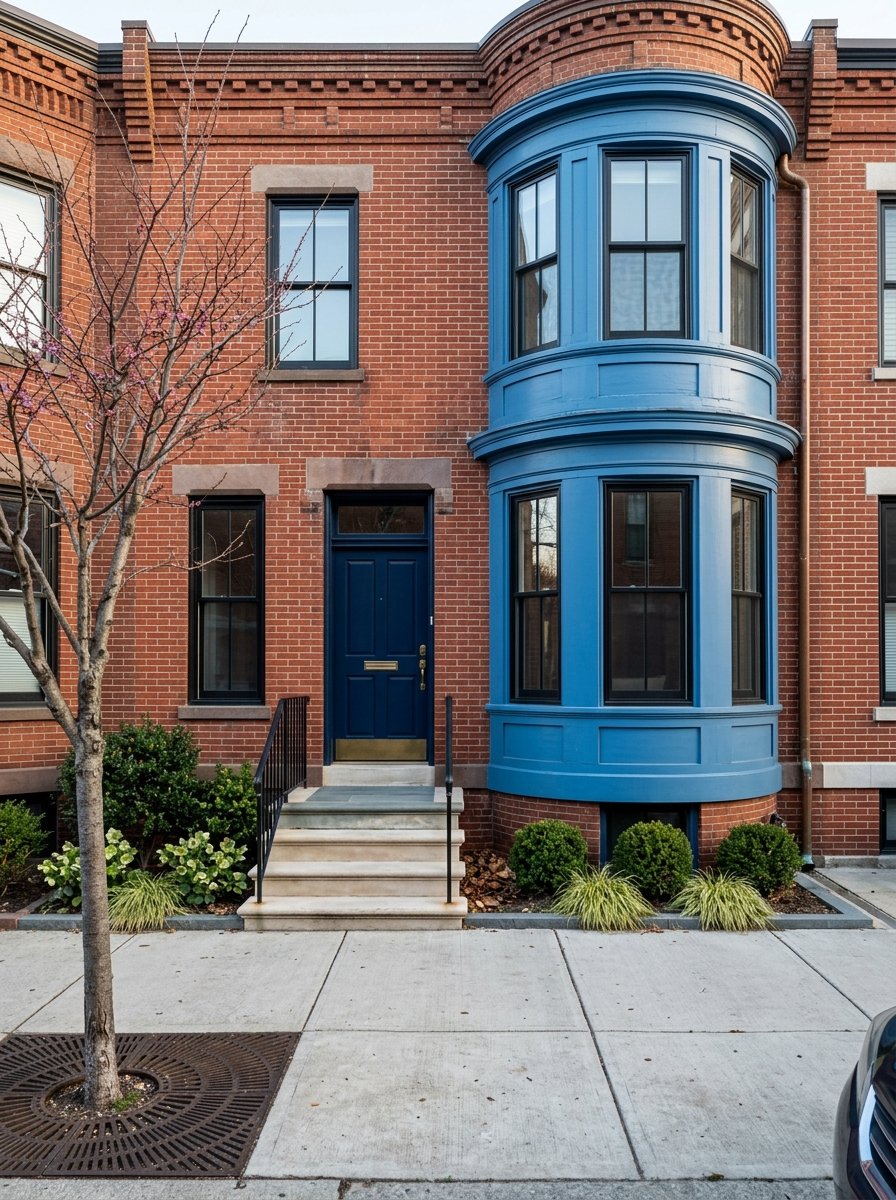
How To Price A Capitol Hill Rowhouse Smartly
June 11, 2026
June 11, 2026
If you own a Capitol Hill rowhouse, pricing it can feel like walking a fine line. Set the number too high, and buyers may hesitate. Set it too low, and you risk leaving real money on the table. The good news is that smart pricing is not guesswork. It is a strategy built on local data, block-level context, and a clear understanding of what makes your home stand out. Let’s dive in.
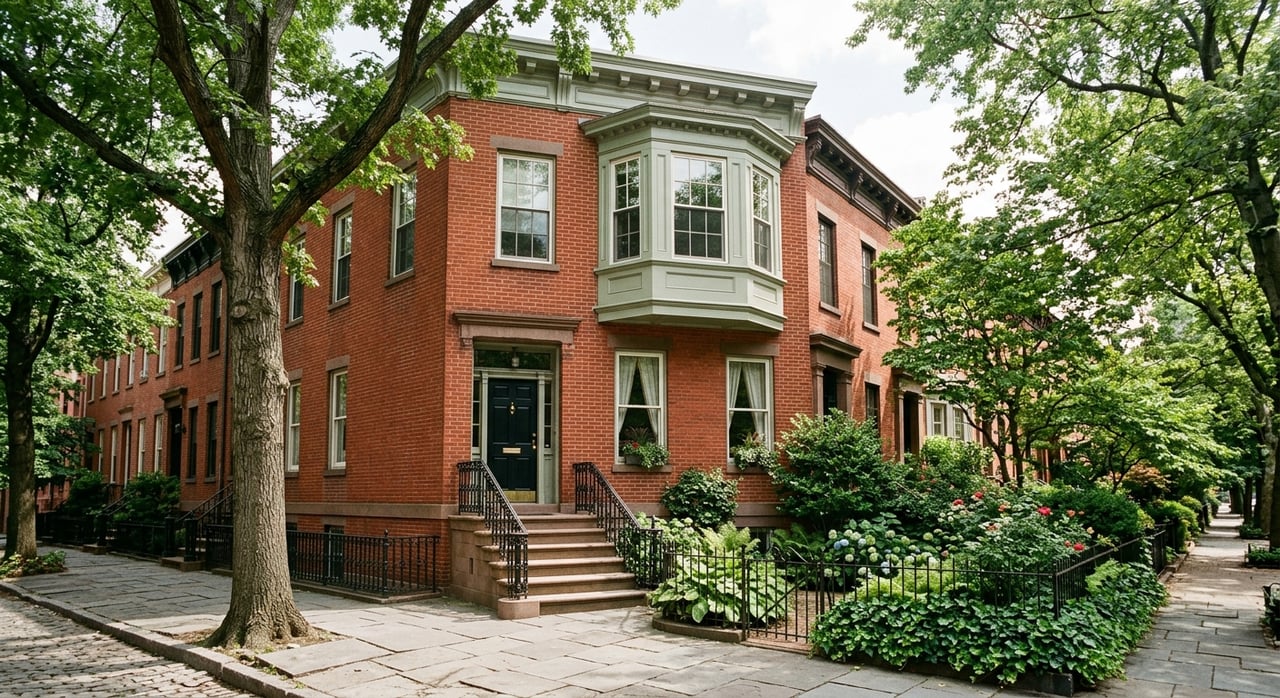
Capitol Hill is not a one-size-fits-all market. It is a historic, rowhouse-heavy area with deep architectural variety, and pricing often changes from one micro-area to the next.
The District’s Office of Planning identifies Capitol Hill as a locally designated historic district, and the area includes thousands of contributing buildings. The Capitol Hill Restoration Society also notes a wide range of architectural styles, including Federal, Italianate, Second Empire, Romanesque, Queen Anne Victorian, and Classical Revival. That means buyers are often looking at more than bedroom count and square footage. They are also weighing facade character, original details, layout, and how well any updates fit the home.
The Capitol Hill BID further breaks the neighborhood into smaller submarkets such as Barracks Row, Eastern Market, Federal Enclave, Hill East, and Union Station. In practical terms, that is why a rowhouse on one block may not price the same as a similar-looking home a few streets away.
Recent market data show that Capitol Hill remains active, but buyers are still price-conscious. Over the three months ending April 2026, Redfin reported a median sale price of $928,405, average days on market of 37, and an average sale-to-list ratio of 99.7%.
Those numbers tell an important story. Homes are selling close to asking price overall, but pricing still has to be disciplined. In the same period, 32.5% of homes sold above list price, while 26.4% had price drops. That mix suggests buyers will compete when a home is positioned well, but they will also push back when the list price feels optimistic.
At the broader metro level, Bright MLS reported 1,089 closed attached or townhome sales in March 2026, with a median sold price of $614,410 and 11 days on market. While that is not a direct Capitol Hill rowhouse comp set, it does reinforce a useful point: attached homes can move quickly when price, condition, and presentation line up.
Pricing should begin with comparable sales. Fannie Mae notes that value is shaped by a home’s size and design, overall condition, location, extra features, recent sales of similar properties, and broader market trends.
For a Capitol Hill rowhouse, the most useful comparable sales are usually the homes that match yours most closely in the same micro-area. In many cases, that means the same block, the same style of rowhouse, and a similar level of renovation. A generic rowhouse comp from another part of Washington may miss the mark.
It is tempting to start with the neighborhood median and work from there. But the median is only a broad reference point. It cannot account for whether your home has a deeper lot, a more intact historic facade, a renovated kitchen, a legal lower level, or a less functional floor plan.
If your rowhouse should be priced above the median, the support needs to be visible and defensible. Buyers and appraisers both look for evidence in the sales history around you, not just ambition in the asking price.
Some Capitol Hill rowhouses command a premium because they offer features buyers value in this market. These often include:
Redfin’s neighborhood scores also help explain why location details matter here. Capitol Hill has a walk score of 88, transit score of 78, and bike score of 92. In a compact urban setting, a few blocks can change how convenient a home feels day to day, and that can influence value.
Because Capitol Hill sits within a local historic district, preservation rules can shape how buyers view past work. DC’s preservation review guide explains that some in-kind repairs, small additions, and minor alterations may be approved administratively, while larger changes may go before the Historic Preservation Review Board.
For you as a seller, the practical takeaway is simple: gather your paperwork early. Permit records, approvals, plans, photographs, and records of completed work can make your asking price easier to support. When improvements are documented, buyers have fewer unanswered questions.
Capitol Hill’s historic character is part of its appeal. The Capitol Hill Restoration Society describes the neighborhood as one of the city’s oldest and most architecturally rich communities, with long rowhouse blocks and a broad range of historic styles.
That context matters when you think about pricing. Original facades, thoughtful restorations, and floor plans that feel true to the home may strengthen buyer appeal. On the other hand, additions or alterations that feel awkward in the house can limit how much of a premium the market is willing to pay.
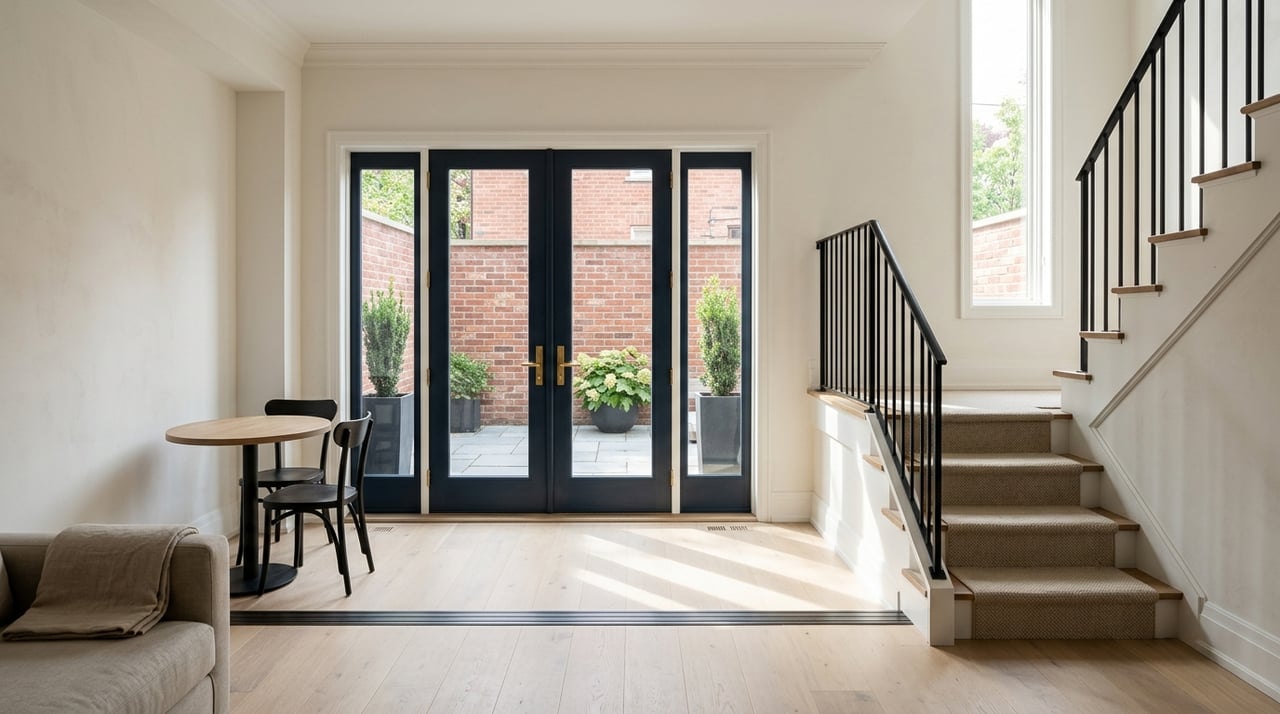
In a market like Capitol Hill, staging and presentation are not minor details. In the National Association of Realtors 2025 Profile of Home Staging, 29% of agents said staging increased dollar value offered by 1% to 10%, and 49% said staging reduced time on market.
That matters because pricing is not only about the list number. It is also about whether buyers feel the home justifies that number the moment they walk in. NAR also found that 83% of buyers’ agents said staging made it easier for buyers to visualize the property as a future home.
The rooms most commonly staged were the living room, primary bedroom, dining room, and kitchen. In a Capitol Hill rowhouse, those spaces often carry the emotional weight of the showing.
If full staging is not your plan, basic pre-listing work still matters. NAR reports that common recommendations include decluttering, cleaning, and improving curb appeal.
That is especially relevant for rowhouses, where the first impression is concentrated in a narrow facade, stoop, railings, and front entry. NAR’s 2025 Remodeling Impact Report found that 92% of REALTORS® recommend improving curb appeal before listing, and 97% say curb appeal is important to buyers.
The same report highlights strong cost recovery for modest projects such as a new steel front door, closet renovation, and a new fiberglass front door. It also identifies whole-home paint, one-room paint, and new roofing as top projects recommended before sale.
If you have several months to prepare, spring is often worth considering. Realtor.com identified April 12 through 18 as the best week to sell nationally in 2026, and Redfin says late March through mid-May is generally the best window to list.
There is also local support for that timing. Bright MLS reported that in April 2026, the D.C. metro market saw renewed buyer activity, with new pending sales up 9.3% and showing activity up 12.0% as warmer weather and a temporary rate dip brought buyers back.
That said, the right week to list is not always the earliest possible one. If your home still needs paint, paperwork, or presentation work, rushing to market can undercut your price.
Mortgage rates are also part of the equation. Freddie Mac’s weekly survey showed a 30-year fixed average of 6.48% and a 15-year fixed average of 5.79% for the week ending June 4, 2026. As rates shift, buyer affordability can shift too, which may change how aggressively buyers respond to your asking price.
A professional valuation can help you avoid overpricing and underpricing. Fannie Mae explains that an appraisal is an independent assessment based on condition, characteristics, location, recent similar sales, and market trends.
For many sellers, a well-supported comparative market analysis is the first step. In a highly specific market like Capitol Hill, that analysis should go beyond broad neighborhood averages and focus on the rowhouses buyers would truly compare to yours.
In some cases, a pre-listing appraisal may also be helpful, especially if your home is unusual, heavily improved, or difficult to match with recent sales. The goal is not paperwork for its own sake. The goal is confidence in the number before you go live.
If you want to price a Capitol Hill rowhouse smartly, focus on the factors that buyers and appraisers can actually measure and understand. That means looking closely at nearby comparable sales, being honest about condition and layout, documenting work, and presenting the home in a way that supports your value story.
In this neighborhood, pricing is rarely just about size. It is about block, architecture, preservation context, presentation, and timing. When those pieces come together, your asking price feels credible from day one, which gives you a better chance of attracting strong interest without chasing the market later.
If you are thinking about selling and want a discreet, data-driven strategy for your Capitol Hill home, Fleur Howgill can help you evaluate timing, presentation, and pricing with a tailored local approach.
Stay up to date on the latest real estate trends.
Fleur and Veronique's passion for travel has significantly enriched their understanding of diverse cultures and unique requirements. Their personal experience as expatriates further enhances their ability to cater to the needs of an international clientele seeking insight into life in Washington DC. Fleur's remarkable history of achievements serves as a testament to her expertise. Don't hesitate to contact Fleur's team to discover more about how they can assist you!